Kenya’s Public Hospital Makes Global Medical Breakthrough With Rare Nerve Surgeries
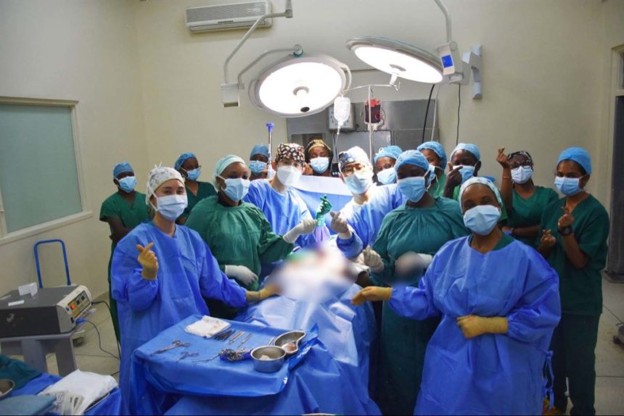
Kenyatta National Hospital (KNH) in Kenya has reached a major medical milestone. Its doctors have carried out two rare nerve surgeries on patients who lost limbs. The operations took place on 29 and 30 October 2026. One patient was a four-year-old boy, while the other was a 43-year-old man. Both received a treatment called Targeted Sensory Reinnervation (TSR). This method connects sensory nerves to other parts of the body. It can help patients feel sensations through specially designed artificial limbs. Only a small number of hospitals around the world offer this type of surgery. According to Kenya Broadcasting Corporation (KBC), both patients have left the hospital and are now receiving follow-up care. Their treatment marks an important step for specialist healthcare in Kenya.
The two patients had different medical needs. The younger patient, Jeremy, became the youngest known person to receive this treatment. Charles Mogire, a 43-year-old painter, also received a rare form of the surgery. However, this achievement did not happen overnight. KNH had already made progress in this field through an earlier operation in 2025. The latest operations show how the hospital continues to build its skills. In addition, Kenya’s Social Health Authority covered the cost of both procedures. This matters because people should not have to travel abroad simply to access advanced medical care. Public hospitals need proper equipment, skilled doctors and enough funding to offer more specialist treatment at home.
KNH’s achievement carries a message for the rest of Africa. For too long, many patients have travelled abroad to seek specialist medical care. Yet African countries can change this situation. They can invest in medical schools, research, modern equipment and training for local doctors. They can also work with foreign experts while building their own skills. The latest KNH surgeries show what such efforts can achieve. Citizen Digital also reported on the operations and their possible benefits for people who have lost limbs. Still, surgery alone is not enough. Patients need further care, training and suitable artificial limbs to gain the full benefit. Ultimately, Africa must do more than send patients abroad for treatment. It must build hospitals and train medical experts who can provide advanced care within the continent. Kenya’s achievement offers an example of what African public healthcare can accomplish.