South Africa and Namibia Strengthen Cooperation on Regional Water Security
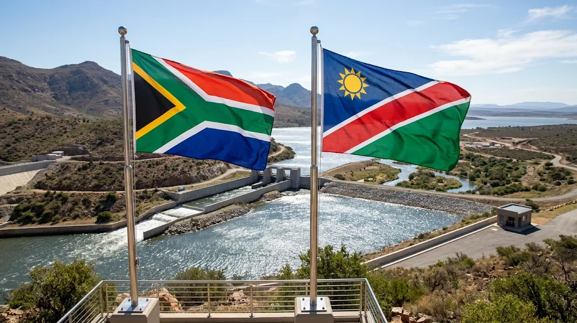
South Africa and Namibia are strengthening cooperation to address growing water challenges across Southern Africa. South African Water and Sanitation Minister Pemmy Majodina is visiting Namibia from 10 to 14 November 2026. The visit aims to advance talks on shared water resources. It includes the 3rd Namibia Regional Water Symposium in Swakopmund. Government officials, researchers and water experts are attending the event. They are discussing new ideas, climate resilience and responsible water management. According to the South African Government, the visit aims to improve regional water management and attract investment in infrastructure and technology. The SAnews report also highlights the need to share knowledge and improve water services. This partnership shows why African countries must work together to manage natural resources that cross national borders.
On 11 November, Majodina met Namibia’s Minister of Agriculture, Fisheries, Water and Land Reform, Inge Zaamwani. Their discussions took place through the Permanent Water Commission (PWC). The commission allows both countries to discuss the use and development of shared water resources. Their cooperation also extends to the Orange-Senqu River Commission (ORASECOM). This body brings together Botswana, Lesotho, Namibia and South Africa to manage the Orange-Senqu River Basin. The EBNewsDaily report highlights the planned discussions and infrastructure visit during Majodina’s trip. These partnerships matter because rivers do not follow national borders. Decisions made by one country can affect communities and businesses in neighbouring countries. Therefore, stronger regional planning can help governments manage shared water resources and reduce the risk of future shortages.
Beyond government cooperation, access to safe water remains a major concern for ordinary people. At the regional water symposium, Zaamwani highlighted differences in access to safe drinking water. According to NBC Namibia, 91.4% of Namibian households have access to safe drinking water. However, the figure falls to 83.5% in rural areas, compared with 98% in urban areas. The country also faces serious sanitation challenges. Basic sanitation coverage stands at 36.2%, while open defecation remains at 39.4%. These figures show why water cooperation must also benefit rural communities. As part of the visit, the ministers are scheduled to inspect a drought-relief programme in Namibia’s Oshikoto Region on 13 November. South Africa is funding the project through the Africa Renaissance Fund, while Rand Water is implementing it. The project includes local water supply systems, desalination plants and a booster station. Ultimately, regional cooperation must deliver practical results. Better rural water access, improved sanitation and reliable infrastructure will help communities across Southern Africa benefit from shared development.
Author: Randy Lawson.