AfDB Approves $503.75 Million Loan to Support South Africa’s Infrastructure Reforms
The African Development Bank (AfDB) has approved a $503.75 million loan to support infrastructure reforms in South Africa. Announced on 11 November 2026, the funding will support changes in electricity, rail transport and water services. The programme aims to improve these sectors and attract more private investment. According to the African Development Bank’s official announcement, the loan forms part of a wider reform programme led by South Africa’s National Treasury. It also brings the Bank’s support for related reforms since 2023 to more than $1.2 billion. The Channel Africa report explains that earlier funding supported changes at state-owned power company Eskom and the growth of renewable energy. The latest approval marks another step in South Africa’s efforts to address long-standing infrastructure problems.
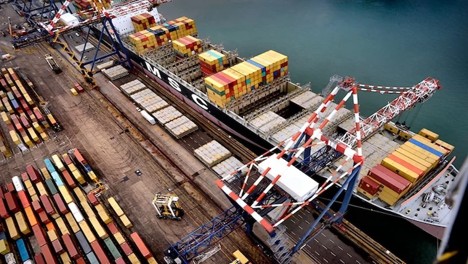
One major focus of the programme is the electricity market. The reforms aim to reduce Eskom’s control over electricity trading and allow more companies to take part. The target is for other market players to handle 10% of electricity transactions by December 2027. The programme also aims to improve rail transport by allowing private companies to use the country’s rail and port networks. In August 2025, authorities awarded at least 11 train access slots across six rail routes to private operators. The AfDB expects at least six new private rail and port operators to receive licences by December 2027. It also wants annual rail freight volumes to rise from 161 million to 180 million tonnes. At the Port of Durban, a 25-year agreement for the Durban Container Terminal Pier 2 aims to raise capacity from 2 million to 2.8 million containers by 2028. The National provides further details on the planned changes and their expected impact on trade.
The programme also includes reforms to water services, particularly the rules for licensing and regulating municipal water providers. These changes aim to improve the delivery of essential services. However, greater private-sector involvement raises important questions about public ownership, affordability and accountability. Opening key sectors to private companies does not automatically mean that ordinary people will receive better services. The government must ensure that reforms benefit communities and protect the public interest. UANWORLD’s analysis highlights the need for transparency and public oversight as private operators enter key sectors. Meanwhile, 360 Mozambique provides further coverage of the loan and its expected outcomes. For South Africa and the wider African continent, the real test will be whether these reforms improve public services, create decent jobs and strengthen national infrastructure. The loan has received approval, but its long-term value will depend on how the government puts the reforms into action.
PHOTO SOURCE: CHANNEL AFRICA
Author: Randy Lawson.