Somalia Explores Expanded Livestock Trade with Libya
Somalia is seeking to expand its livestock exports to Libya as part of efforts to strengthen trade with North Africa. On 8 November 2026, Somali Foreign Minister Abdisalam Abdi Ali met Libya’s Finance Minister, Rashid Abu Qaffah, in Tripoli. They discussed increasing Somali livestock exports and improving financial cooperation between the two countries. The talks could create new opportunities for Somali pastoral communities, livestock traders and businesses. Livestock remains an important source of income for many Somali families. Expanding access to the Libyan market could also help Somalia diversify its export destinations. Somalia’s Ministry of Foreign Affairs reported on the discussions.
The latest discussions build on an industrial and trade cooperation agreement signed by Somali and Libyan officials in October 2026. The agreement seeks to strengthen commercial relations, encourage investment and facilitate the exchange of goods. It also covers the supply of sheep, camels and cattle from Somalia to Libya, subject to approved health and veterinary standards. In addition, both sides discussed improving banking channels for commercial payments. These arrangements could support more reliable trade between the two countries. They also highlight how African countries can work together to strengthen food supply chains and create opportunities for local producers. The Libya Observer reported on the October agreement.
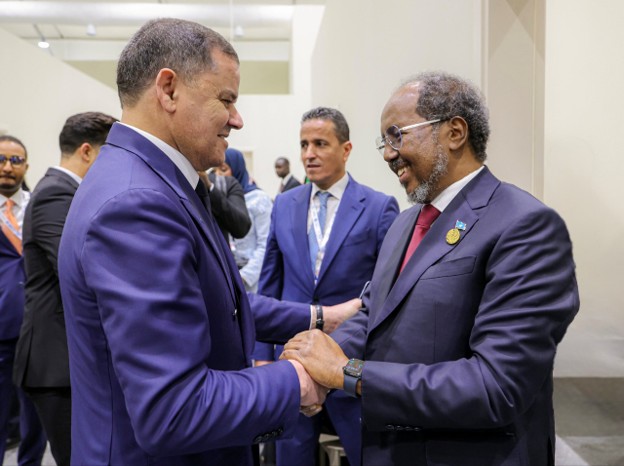
On 12 November, Somali President Hassan Sheikh Mohamud met Abdul Hamid Dbeibeh, head of the Tripoli-based Government of National Unity, on the sidelines of the COP31 climate summit in Antalya, Türkiye. According to Goobjoog’s report, the leaders discussed stronger bilateral relations and continued coordination on regional and international issues. The meeting followed the earlier trade and financial discussions, although no new trade agreement or investment commitment was announced. For Somalia, expanding access to North African markets could strengthen its livestock sector and create opportunities for pastoral communities. The next challenge will be turning these discussions and agreements into practical trade, reliable market access and benefits for local producers.