Western Sahara: 50th Madrid Conference Revives Africa’s Call for Sahrawi Independence
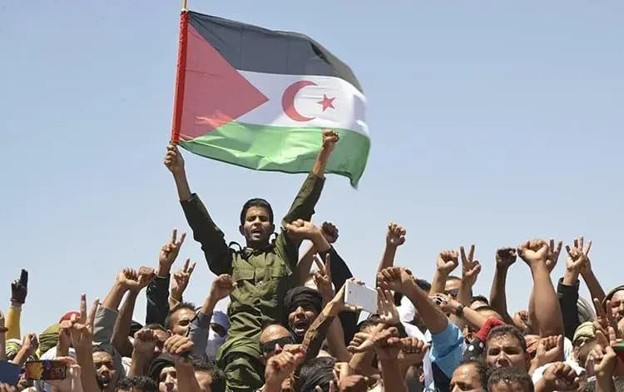
Fifty years after the struggle for Western Sahara began, the demand for freedom remains unresolved. On 13–14 November 2026, Madrid will host the 50th International Conference of Solidarity with the Sahrawi People. Political leaders, human rights groups and solidarity movements from Africa and beyond will attend. The meeting comes at a critical time for the Sahrawi cause. Recently, Russia vetoed a US-backed resolution at the United Nations Security Council. This raised fresh questions about the future of MINURSO, the UN mission in Western Sahara. According to Algeria Press Service (APS), the conference aims to strengthen support for the Sahrawi people’s right to choose their future. Therefore, the gathering is more than an annual meeting. It is another call for the world to address Africa’s unfinished decolonisation struggle.
Madrid carries deep historical meaning for the Sahrawi people. On 14 November 1975, Spain signed the Madrid Accords with Morocco and Mauritania. The agreement opened the way for the division of Western Sahara. However, it did not settle the Sahrawi people’s right to self-determination. Instead, the territory entered a long period of conflict, displacement and uncertainty. Sahrawi representatives continue to call on Spain to recognise its historical responsibilities. Africa News Algeria highlights the importance of holding the conference in Spain’s capital. This year’s gathering also brings renewed attention to the country’s role in Western Sahara’s unfinished decolonisation. As a result, the conference offers solidarity movements another chance to demand justice and self-determination for the Sahrawi people.
Africa has a special responsibility to keep Western Sahara on its political agenda. The African Union recognises the Sahrawi Arab Democratic Republic as a member state. Several African governments also support the Sahrawi people’s right to self-determination. Prime Minister Boushraya Hamoudi Bayoun leads the Sahrawi delegation to Madrid. According to Sahara Press Service, the delegation will address natural resource exploitation, human rights in the occupied territory and conditions facing Sahrawi refugees. These issues show that the struggle goes beyond political recognition. It also concerns land, natural resources, dignity and freedom. For Africa, Western Sahara remains an important test of its commitment to sovereignty and decolonisation. Therefore, the Madrid conference should encourage more than speeches. It should renew calls for practical political action and lasting international solidarity.