Africa’s Unfinished Liberation: The World Renews Its Call for Western Sahara’s Freedom
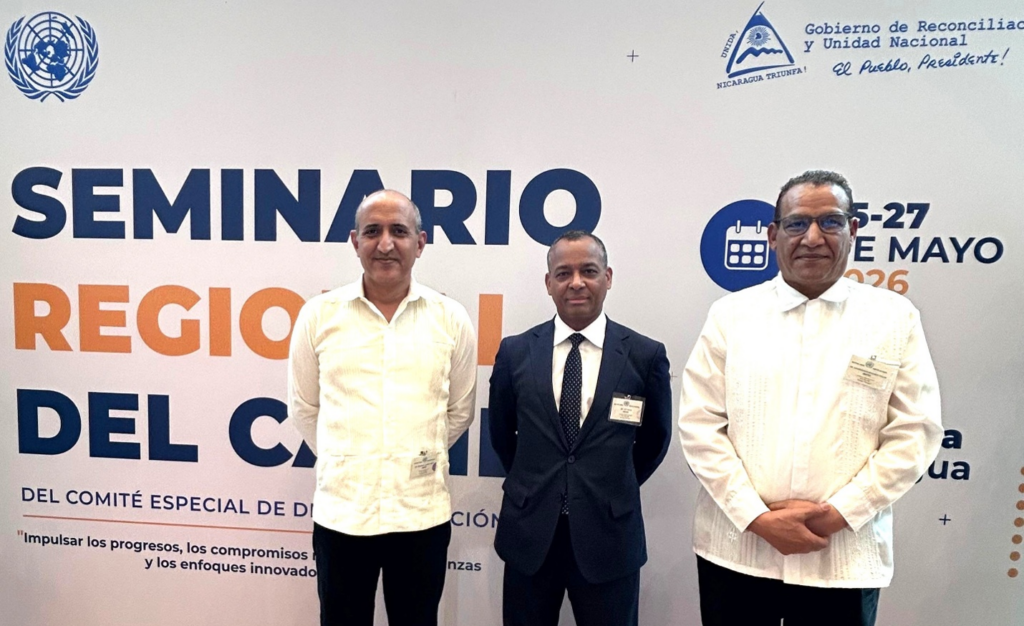
Support for the Sahrawi people’s right to self-determination gained renewed international energy during a United Nations regional seminar on decolonization held in Managua, Nicaragua. Organised by the UN Special Committee on Decolonization as part of the Fourth International Decade for the Eradication of Colonialism, the event brought together representatives from Africa, Latin America, and other Global South regions to confront what many present described as the continent’s most visible unresolved colonial wound. In a world quick to celebrate the end of formal colonialism while leaving its last territorial manifestations intact, the gathering served as a pointed reminder that liberation in Africa remains incomplete as long as any part of the continent is denied the right to determine its own future.
During the seminar, several countries — including Algeria, Angola, Namibia, South Africa, Zimbabwe, Cuba, Venezuela, and Nicaragua — reaffirmed their support for the Sahrawi Arab Democratic Republic and called for the acceleration of efforts toward a self-determination referendum in Western Sahara. Participants also raised serious concerns over the human rights situation in the occupied territories and the continued exploitation of Sahrawi natural resources, stressing that the United Nations must move beyond symbolic resolutions toward concrete political accountability. For the African nations present, the issue is inseparable from the broader continental struggle against foreign domination — a struggle whose legitimacy does not diminish simply because it is inconvenient for powerful states with economic interests in the region.
The discussions highlighted the enduring importance of anti-colonial solidarity within Pan-African and Global South political thought. The Sahrawi cause is not a peripheral diplomatic matter — it is a reparative one. The people of Western Sahara have been denied what the African liberation movement fought most fiercely for: the right to live on their own land, governed by their own institutions, free from occupation. As geopolitical pressures continue reshaping Africa and the wider Global South, the renewed diplomatic backing for Western Sahara signals a growing insistence that decolonization must move beyond rhetoric into action — and that African nations hold both the moral obligation and the political responsibility to lead that demand within international institutions.