Gas, Minerals, and the Governance Gap: Can Mozambique Turn a Resource Boom Into Lasting Dignity?
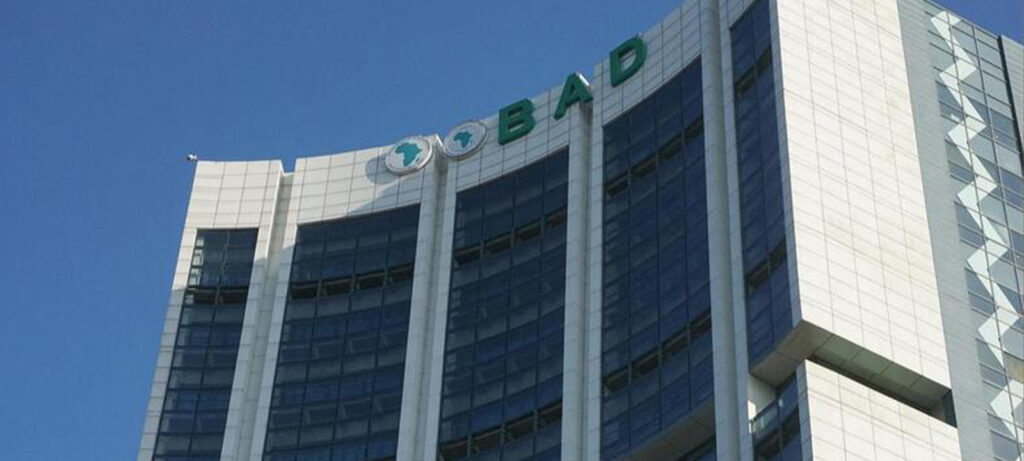
Mozambique’s economy is projected to return to a path of gradual growth over the next two years, driven by renewed activity in the extractive sector, rising investment, and stronger private consumption. According to the African Development Bank’s African Economic Outlook 2026 report, the country’s economy is expected to expand by 2.1 percent in 2026 and 3.5 percent in 2027, signalling a cautious recovery after years marked by climate shocks, inflationary pressures, political uncertainty, and the ongoing insecurity in Cabo Delgado that has displaced hundreds of thousands and deepened the humanitarian crisis in the country’s north. Liquefied natural gas projects, mining exploration, and increased public and private investment are identified as the principal drivers of this projected recovery — a familiar picture for an African economy whose fortunes remain tightly bound to the appetite of external industrial powers for its subsoil wealth.
The report forecasts a decline in inflation toward an average of 5.7 percent over the coming two years, a development that could ease living costs for households still absorbing the economic shocks of recent years. Mozambique’s vast reserves of natural gas, graphite, and other strategic minerals continue to attract significant international attention, with potential multiplier effects across transport, construction, commerce, and services. Yet the AfDB’s own caution is revealing: rising fiscal deficits, growing import demands linked to energy megaprojects, climate-related disruptions, and the persistent security situation in Cabo Delgado remain structural risks capable of undermining recovery. The bank argues that stronger governance, improved fiscal transparency, and greater investment in climate resilience will be essential if Mozambique is to translate resource wealth into long-term economic transformation — an argument that implicitly acknowledges how rarely extraction alone has produced durable prosperity for the communities living closest to it.
The Mozambican economic story is ultimately a progressive political question as much as a technical one. Growth projections anchored in gas and mining investment are meaningful only insofar as they generate revenues that reach public services, rural communities, and the millions of Mozambicans still living in poverty despite the country sitting on some of the world’s most sought-after mineral and energy assets. The AfDB’s forecast underscores a broader African reality: that sustainable development will depend not only on what is extracted from the earth, but on the quality of the institutions, governance frameworks, and redistributive choices that determine whether those resources build sovereign national capacity or simply deepen a familiar pattern of extraction without transformation. Mozambique’s recovery must be measured not only in GDP figures, but in whether ordinary citizens — particularly those in Cabo Delgado — can say their lives improved because the wealth beneath their feet was finally managed in their interest.