South Africa Conference Calls for Concrete Action on African Reparations
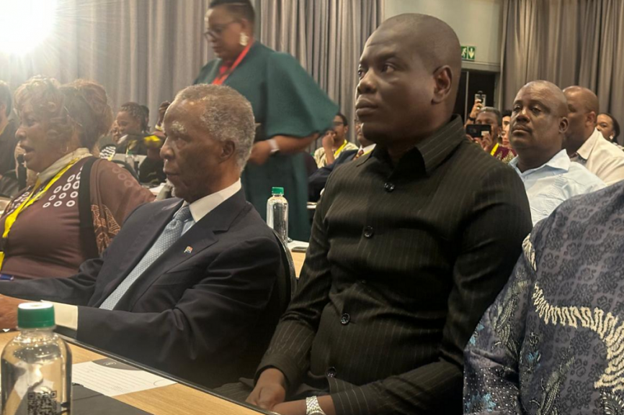
The Second Africa and African Diaspora Conference in Boksburg, South Africa, has placed reparations at the centre of discussions about Africa’s future. The gathering runs from 26 to 30 October 2026 under the theme “The Return to Africa.” Delegates are discussing the lasting effects of slavery, colonialism and racial injustice. In its report published on 29 October, The African Mirror highlights plans for a conference declaration and action plans on reparatory justice. SaharaWire also reported on the conference on the same day. Reparations are about more than apologies or memorials. They include addressing the wealth taken from Africa, the loss of land and the exploitation of African labour and resources. The challenge is to turn calls for justice into practical steps that repair historical harm.
What should reparations look like in practice? Possible measures include compensation, the return of stolen cultural objects, land restitution where appropriate and support for affected communities. On 27 October, World Council of Churches General Secretary Rev. Prof. Dr Jerry Pillay addressed the conference on the struggles of Africans, people of African descent and Indigenous Peoples. His address to the conference stressed that recognising historical harm is not enough. Justice must lead to action. The conference’s official programme also identifies reparatory justice, debt and life in Africa and the diaspora as key themes. This connects reparations to economic power and Africa’s right to shape its own development. However, meaningful progress will require clear demands, coordinated negotiations and ways to hold responsible parties accountable.
The conference is expected to conclude on 30 October with a declaration and action plan. These outcomes could help guide future efforts to secure reparations. In its report ahead of the gathering, TimesLIVE highlighted demands linked to slavery, land dispossession, resource exploitation and cultural destruction. The next task is to turn these demands into a practical programme with clear goals and responsible institutions. African governments, diaspora organisations and progressive movements must work together to advance this cause. They also need to agree on priorities and measure progress. The conference’s impact will depend on what follows its declaration. Reparations cannot undo generations of suffering. However, a credible process can help address historical injustice, restore cultural heritage and strengthen Africa’s economic sovereignty. The real test is whether these discussions lead to sustained action.