Egypt, Algeria and Tunisia Call for Libyan Elections and Withdrawal of Foreign Forces
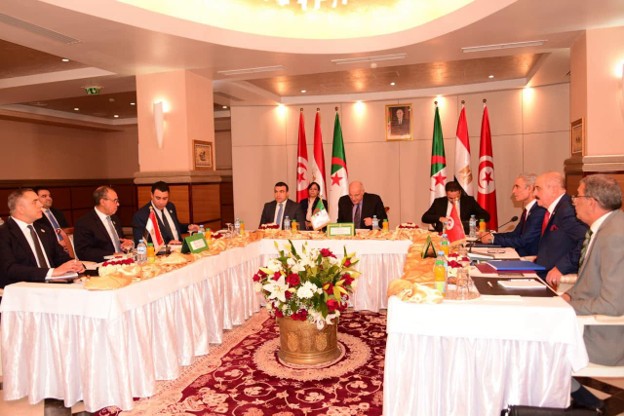
Egypt, Algeria and Tunisia have called for Libya elections alongside the withdrawal of foreign forces and an end to prolonged political transitions. According to AJEL’s report on the Libya political process, the three countries’ foreign ministers met in Algiers on 25 October 2026 to discuss the crisis and coordinate regional efforts. The ministers backed simultaneous presidential and parliamentary elections under an agreed legal framework. They also rejected foreign interference and stressed the need to protect Libya’s sovereignty and territorial integrity. The Egyptian State Information Service reported similar positions, while Algeria’s state news agency, Algérie Presse Service, highlighted the role of Libya’s neighbouring countries in supporting a political solution. The meeting builds on earlier talks in Cairo and highlights the role of African cooperation in addressing Libya’s continuing crisis.
Libya remains divided between rival political institutions in the west and east. The Tripoli-based Government of National Unity, led by Abdul Hamid Dbeibah, operates alongside an eastern administration backed by the House of Representatives. The eastern authorities also hold significant military influence through forces associated with Khalifa Haftar. On 14 September, the House of Representatives endorsed an agreement reached through a UN-facilitated dialogue on 30 August. The agreement provides a pathway towards presidential and parliamentary elections under a unified executive authority within 24 months. However, the Tripoli-based High Council of State rejected the agreement on 5 October, citing concerns about constitutional and legal procedures. In its briefing to the UN Security Council on 14 October, the UN mission outlined the competing positions surrounding the political process. The disagreement shows that Libya needs more than an election date; its institutions must also agree on the rules governing the process.
Beyond elections, Egypt, Algeria and Tunisia called for the withdrawal of foreign forces, fighters and mercenaries from Libya. They also urged Libyan parties to preserve the ceasefire, unify military and security institutions, and advance national reconciliation. Economic governance featured prominently in their discussions. The ministers stressed that Libya’s national resources should support development and benefit its people. They also called for the protection of frozen Libyan assets abroad and further progress on the unified spending framework for 2026. These concerns link political stability to the management of public wealth and state institutions. Tunisia’s national news agency, Tunis Afrique Presse, also reported the three countries’ support for an inclusive, Libyan-led political process. However, the effectiveness of their diplomatic efforts will depend on whether Libya’s rival institutions can agree on and implement a settlement. Tunisia will host the next meeting, although the date remains unannounced.