
Africa and Diaspora Unite to Push Reparations Beyond Words
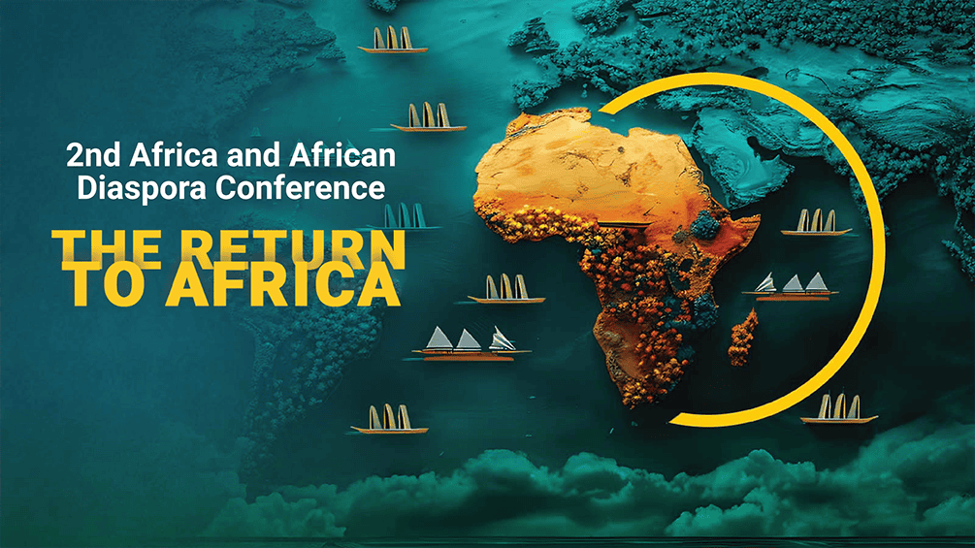
African leaders, scholars, civil society groups and diaspora representatives are meeting in Ekurhuleni, South Africa, from 26 to 30 October 2026. The Africa and African Diaspora Conference carries the theme “The Return to Africa”. It aims to strengthen ties between Africans on the continent and people of African descent worldwide. According to TimesLIVE’s report, delegates are discussing reparations, decolonisation, human rights, gender and climate change. Co-convenor Frank Chikane has called for stronger cooperation between African communities at home and abroad. The gathering comes as demands for historical justice gain attention across the world. However, the real challenge is to turn these discussions into a shared plan with clear goals and practical steps.
Reparations involve more than apologies or symbolic recognition. The transatlantic slave trade forcibly removed millions of Africans from their homelands. Colonial rule also took land, extracted resources and weakened African political and cultural institutions. Today, campaigners are calling for practical measures to address these harms. Their proposals include financial compensation, the return of stolen cultural objects and investment in affected communities. The conference’s official website connects reparatory justice with economic freedom and wider questions of global inequality. These issues matter because historical justice also raises questions about who controls resources and benefits from development. African governments and diaspora organisations now face a major task: building a common position, agreeing on clear demands and pushing for commitments that they can measure. Without coordination and follow-through, calls for reparations risk remaining promises rather than producing change.
The conference is expected to produce a declaration and action plans. Their impact will depend on what participants do after the meeting ends. African governments, diaspora groups and civil society organisations need clear priorities, accountable leadership and continued cooperation. They must also connect reparations with present-day struggles against inequality and discrimination. This situation raises an important question about solidarity: how can the continent build unity with its diaspora while ensuring that African people also treat one another with dignity? Historical memory alone cannot create lasting unity. Practical cooperation must support it. If delegates agree on clear priorities and follow through on their commitments, the conference could help build a more coordinated reparations movement and strengthen the campaign for historical justice.





