Africa Industrialisation Week Puts Local Manufacturing at the Centre of Africa’s Economic Future
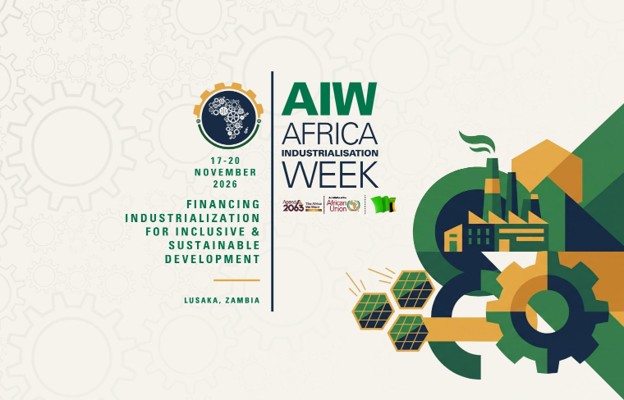
Africa Industrialisation Week 2026 has opened in Lusaka, Zambia, with a focus on financing, local manufacturing and value addition. The four-day event runs from 17 to 20 November under the theme “Financing Industrialization for Inclusive and Sustainable Development.” The gathering brings together policymakers, investors and private sector leaders to discuss ways to strengthen Africa’s industrial capacity. According to The Cooperator, 33 speakers will address 15 topics, including industrial financing, regional value chains, support for young entrepreneurs and sustainable production. The discussions reflect a wider need for African countries to build industries that create jobs and retain more economic value within the continent.
A major priority is to reduce dependence on exporting unprocessed resources while importing finished products. Africa has considerable mineral and agricultural wealth, but local industries must play a greater role in processing these resources. The African Union’s announcement estimates that the continent faces an annual industrial financing gap of between US$280 billion and US$400 billion. AIW 2026 will therefore examine innovative financing, stronger access to capital and support for small and medium-sized enterprises. The African Union has also placed local processing and regional value chains among the event’s six strategic pillars. These priorities matter because industrial growth must translate into production, employment and greater economic value retained by African economies.
The discussions in Lusaka come as Zambia also works towards a stronger domestic manufacturing sector. On 14 November, Lusaka Times reported that the country’s Ministry of Industry intends to develop an Industrialisation Master Plan. The proposed plan is expected to guide industrial growth and support greater coordination across sectors. The government has stated its ambition to increase manufacturing’s contribution to GDP from below 10 per cent to 30 per cent. This national effort reflects the wider continental conversation taking place at AIW 2026. For Africa, the challenge is to turn industrial plans into functioning factories, stronger local businesses and regional production networks. Cooperation through the African Continental Free Trade Area can help expand markets for goods made on the continent.