
Africa’s Gen Z Is Not the Problem: The Continent Must Listen to Its Young People
Across Africa, Generation Z is becoming a strong voice for change. Young people are speaking out against unemployment, corruption and poor public services. They also want a greater say in national decisions.
Kenya’s 2024 Finance Bill protests showed how quickly young people can organise around economic issues. They also called for greater government accountability. Protests in Madagascar and Morocco have raised similar concerns about hardship and poor public services.
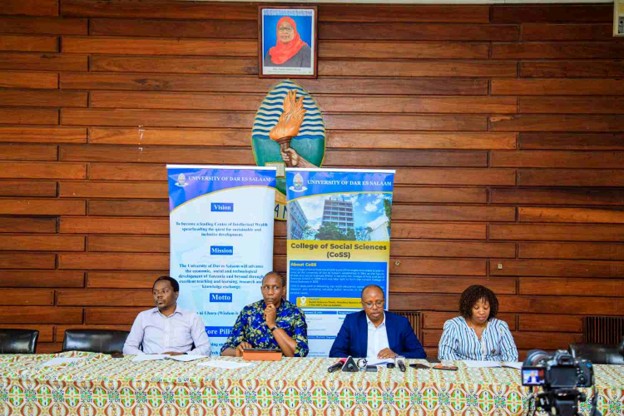
Against this background, the University of Dar es Salaam held its Voice of Social Sciences Conference on 5 and 6 November 2026. The event examined the role of Generation Z in African social movements.
The discussions at UDSM also focused on the challenges facing young Africans. Unemployment, poor access to technology and climate change remain major concerns. A lack of jobs and other opportunities makes these problems worse.
Jamhuri Media’s coverage examined how technology and climate change affect Generation Z. It also discussed how universities and research can help shape public policy.
African governments must now move beyond speeches about youth potential. They must invest in education, decent jobs and digital access. They should also support local industries that create jobs for young people.
Universities have an important role too. They must connect their research to the needs of local communities. The University of Dar es Salaam explained that the conference aimed to examine the place of young people in Africa’s future.
However, discussions alone cannot bring change. Young people need real chances to shape policies and take part in public life.
African political and economic systems must make room for a new generation. Young people should not have to protest before leaders listen to them. Likewise, leaders should not dismiss every protest as disorder. They must first understand the reasons behind it.
Youth movements also have a role to play. They must build strong organisations and agree on clear demands. They must also turn public support into lasting action.
Pan-African cooperation can help this work. Youth groups, universities and progressive organisations can share ideas and learn from one another. Together, they can push for solutions to problems that affect young people across the continent.
Africa cannot speak seriously about sovereignty, development and unity while millions of young people lack jobs and political influence. Young Africans need more than invitations to conferences. They need decent work and access to decision-making.
They also need the power to shape the policies that affect their future. African leaders must recognise young people as partners in development, not just future leaders.
Africa must stop asking whether its young people are ready for the future. It must start asking whether its institutions are ready to make room for them.





