Blue Economy, African Vision: Somalia and Egypt Chart a Course for Shared Maritime Prosperity
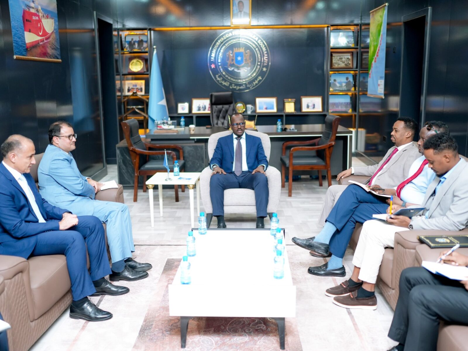
Somalia and Egypt have agreed to deepen cooperation in fisheries, the blue economy, petroleum, and mineral resources following high-level talks in Mogadishu — discussions led by Egypt’s Assistant Minister of Foreign Affairs for African Affairs and focused on expanding collaboration in trade, investment, technical expertise, and sustainable resource management. The agreement reflects a shared commitment to harnessing Africa’s natural wealth through regional partnerships rather than through the extractive frameworks that have historically served external interests more reliably than African ones. For Somalia — possessing the longest mainland coastline in Africa — the blue economy represents not merely a development sector but a dimension of sovereignty: the right to govern, benefit from, and sustainably manage the marine resources that surround its territory.
A central pillar of the talks was Somalia’s ambition to unlock the vast potential of its coastline through strategic investment and capacity building. The partnership with Egypt aims not only to encourage investment in fisheries, energy, and mining but also to facilitate technology transfer and skills development for Somali professionals — enabling local institutions to build expertise and strengthen management of critical sectors rather than remaining perpetual hosts for foreign operators whose profits flow outward. The emphasis on knowledge transfer reflects an understanding that long-term sovereignty over natural resources is built not only through legal frameworks but through the human and institutional capacity to exercise those rights in practice.
The growing cooperation between Mogadishu and Cairo reflects a broader trend of African nations seeking solutions through continental partnerships rather than external dependency. By combining technical knowledge, investment opportunities, and shared development priorities, both countries are positioning themselves to benefit from closer South-South cooperation in strategic industries. The initiative demonstrates how African collaboration can contribute to sustainable resource management, economic resilience, and regional integration while advancing a vision of development driven by African leadership and mutual benefit — one in which the wealth generated by African seas and African soil remains, to the greatest possible extent, in African hands.