
Bolivia Restructures Tourism Sector with New National Agency
Bolivia has restructured its national tourism governance by creating the National Agency for Tourism, Folklore and Gastronomy as part of a broader administrative reorganization. Announced by President Rodrigo Paz, the structural change accompanies a streamlining of the cabinet from 14 to 12 ministries. While tourism remains directly under the executive branch, it now operates within a more agile framework designed to reduce bureaucratic hurdles, accelerate promotion efforts, and foster seamless public-private sector collaboration. As highlighted in TravelMole’s reporting on Bolivia’s new tourism agency, the shift gives the sector a flexible platform to manage and market Bolivia’s cultural and natural heritage more efficiently.
The newly formed agency builds upon recent positive momentum in Bolivia’s travel industry, following a roughly 25% increase in international visitor arrivals—from 991,184 in 2024 to 1.24 million in 2025. Rather than starting anew, the entity inherits the framework of the Sustainable Tourism Master Plan, which was drafted with support from the United Nations Development Programme (UNDP) alongside public, community, and academic stakeholders across all nine departments. According to coverage from Visit Latin America on the new national agency leading tourism, the unified focus will help consolidate iconic destinations such as the Salar de Uyuni, Lake Titicaca, La Paz, Sucre, and Potosí into a clearer, more accessible narrative for global travel markets.
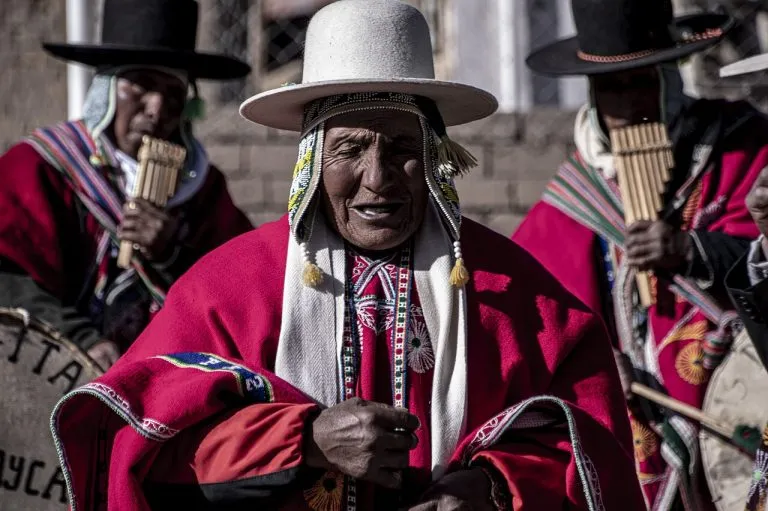
By explicitly integrating folklore and gastronomy into the new agency’s core mandate, the government aims to position local culinary traditions, artisan craft, indigenous culture, and regional festivals alongside traditional sightseeing itineraries. This holistic strategy seeks to elevate the country’s international profile through coordinated marketing campaigns, targeted presence at major trade fairs, and improved regional integration. Ultimately, the new organizational framework provides Bolivia with a structured mechanism to convert its diverse cultural and ecological assets into sustainable economic growth across the nation.






