
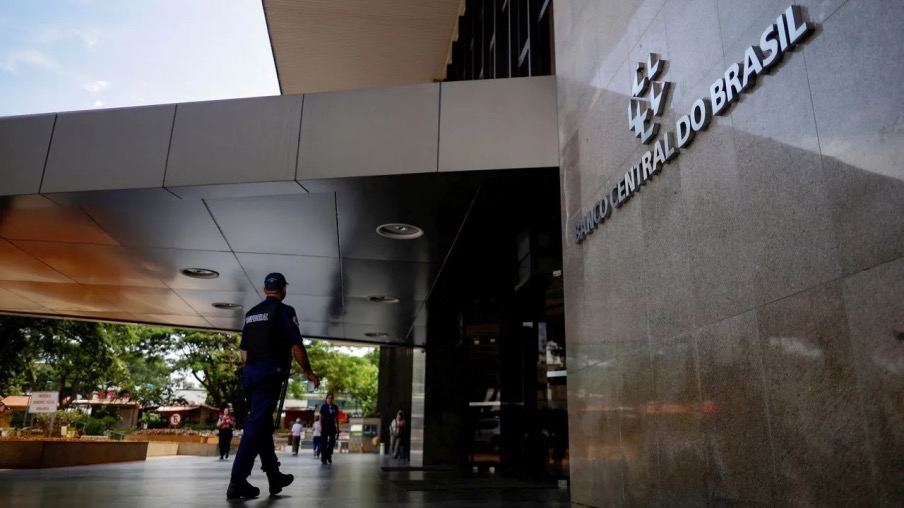
Brazil: Central Bank Cuts Selic Rate as Markets Assess Further Easing
Brazil’s monetary policy moved into a potentially important new phase in early August, as the Central Bank of Brazil’s Monetary Policy Committee (Copom) reduced the Selic benchmark interest rate to 14.00% on 5 August 2026, marking the fourth consecutive 25-basis-point reduction. The decision was unanimous and represented a further gradual easing of monetary policy after a period of exceptionally high interest rates. The Rio Times reported that the central bank’s decision left the possibility of another reduction in September open, while stressing that future decisions would remain dependent on incoming economic data. By 8 August, attention had shifted toward the next week’s economic indicators, including Brazilian inflation data and the release of the Copom minutes, as investors sought further clues about the pace and sustainability of monetary easing.
The rate reduction is important because Brazil has been attempting to balance two competing objectives: bringing inflation closer to target while avoiding unnecessarily tight monetary conditions that could weaken economic activity. The August decision followed evidence that economic activity was cooling and inflation pressures were moderating, although inflation remained an important concern. The Rio Times noted that Brazilian inflation was still running near the upper part of the country’s target range, meaning that the central bank could not simply assume that lower rates would continue indefinitely. For businesses and consumers, however, continued monetary easing could gradually reduce borrowing costs, improve credit conditions and support investment and consumption. For financial institutions, the direction of rates also has implications for lending margins, treasury portfolios, liquidity management and the valuation of fixed-income assets. The market’s focus on September is therefore less about the size of a single rate move and more about whether Brazil has entered a sustained easing cycle.
The development is also significant for international investors because Brazil remains one of Latin America’s largest and most influential economies, and movements in its interest rates can affect the Brazilian real, government bonds, equities and capital flows. The 8 August market outlook highlighted the importance of the dollar and global interest-rate expectations in determining the direction of Latin American markets during the week of 10–14 August. Brazil’s upcoming inflation data and Copom minutes were therefore expected to provide important information about whether the central bank could continue reducing rates. The immediate outlook is one of cautious optimism: lower rates could support domestic economic activity and investment, but policymakers must ensure that easing does not reignite inflationary pressures or undermine confidence in monetary policy. For businesses and investors, the key issue entering the second week of August was consequently whether Brazil’s gradual rate-cutting cycle would continue or whether inflation would force the central bank to pause.


