
Brazil Highlights Financial Pragmatism and Global South Cooperation Ahead of BRICS Summit
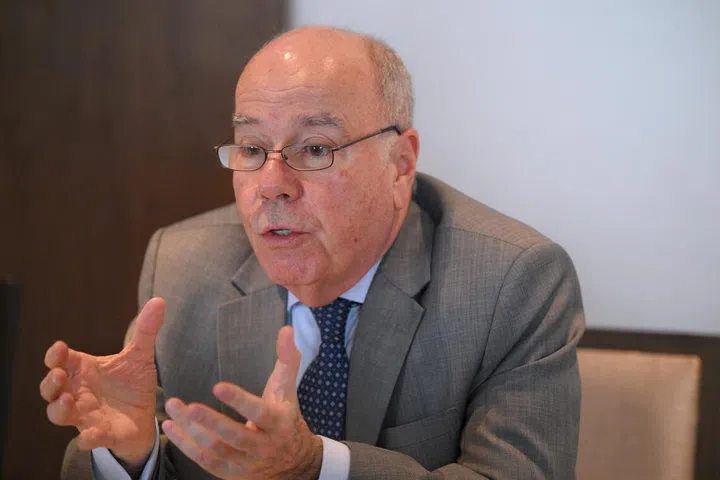
Brazilian Foreign Minister Mauro Vieira has emphasized the expanding role of the BRICS grouping in fostering economic pragmatism, clarifying that ongoing financial initiatives prioritize reducing transaction costs rather than pursuing ideological anti-Western agendas. Ahead of the upcoming 18th BRICS Summit hosted under India’s chairmanship, Minister Vieira reiterated that member states are focused on establishing flexible, low-cost payment mechanisms and expanding the settlement of cross-border trade using national currencies. Addressing international speculation regarding potential de-dollarization or a common unified currency, Vieira affirmed that the bloc is not seeking to create a substitute monetary unit, but is instead committed to improving financial interoperability and efficiency across developing economies. Insights on the diplomatic discussions surrounding these financial mechanisms are reported by The Straits Times — Brazilian Foreign Minister On BRICS Strategy.
The push for localized trade settlement mechanisms reflects a shared consensus within the Global South to enhance economic autonomy without fracturing global trade networks. By integrating fast-payment frameworks and promoting direct bilateral clearing arrangements, BRICS member states seek to shield commercial transactions from currency volatility and high intermediary fees. Minister Vieira highlighted that Brazil and key partners like India continue to advocate for constructive non-alignment and economic realism, positioning the group as a open platform for multilateral dialogue rather than an adversarial economic bloc. Detailed analysis of the technical integration and regulatory frameworks underpinning these payment systems is documented by Modern Diplomacy — BRICS Cross-Border Payment Ecosystem Analysis.
Beyond financial cooperation, Brazil’s diplomatic agenda stresses the urgent need to reform legacy global governance institutions, including the United Nations Security Council, the World Trade Organization, and the International Monetary Fund, to better reflect contemporary geopolitical realities. Through enhanced engagement with regional partner organizations such as ASEAN and the African Union, Brasilia aims to build broader consensus on climate finance, global health security, and equitable technology transfer. As preparations advance for high-level ministerial consultations leading into the summit, the Brazilian Foreign Ministry remains focused on securing tangible outcomes that advance economic development across emerging markets. Global coverage detailing the diplomatic agenda ahead of the summit is tracked by Caliber.Az — BRICS Payment Systems and Lowering Transaction Costs.





