Brazil’s Zero-Waste Model Reaches Cabo Verde
The introduction of Brazilian mayor José Nildo Galdino’s “Sustainable Lagoa de Velhos” waste management model in Cabo Verde, presented at the Brazil-Cabo Verde Forum, is a modest but meaningfully concrete instance of the South-South cooperation that Pan-African and Global South solidarity frameworks have long aspired to but have struggled to translate into practical, transferable programming. Rather than arriving as a donor-funded technical assistance package designed by external consultants, the initiative is a peer-to-peer transfer of municipal governance experience: a community-driven model developed and tested in a Brazilian municipality, offered directly to Cape Verdean communities navigating their own waste management and environmental sustainability challenges. The structure around three pillars — basic sanitation, renewable energy, and zero-waste management — reflects an integrated approach to municipal environmental governance that small island states like Cabo Verde, with their acute vulnerability to both waste accumulation and climate pressures, have particular reason to value.
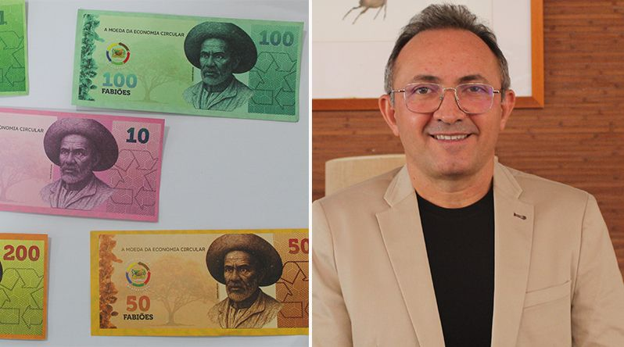
The model’s centerpiece — the “Mãos que Reciclam” (Hands that Recycle) community association, paired with a social incentive currency called “Fabião” designed to reward participation in sustainable practices — represents an innovation in environmental governance whose significance lies in its recognition that waste management systems succeed or fail based on community buy-in rather than infrastructure alone. Incentive currencies that reward recycling and sustainable behaviour build the kind of grassroots ownership that top-down municipal waste programmes frequently lack, converting environmental compliance from an externally imposed obligation into a community-generated practice with tangible local benefits. For Cabo Verde, an archipelago where waste management logistics are complicated by inter-island geography, a model built around localised community associations rather than centralised collection infrastructure offers a particularly relevant template.
The Brazil-Cabo Verde exchange is a small but instructive illustration of what genuine South-South cooperation can look like when it is organised around the practical sharing of governance innovations between communities facing structurally similar challenges — small or mid-sized municipalities with limited fiscal capacity, climate vulnerability, and the need to build sustainable systems without the resource bases that wealthier nations bring to environmental policy. As the African and Latin American Global South deepen institutional and diplomatic ties across multiple forums, the transfer of replicable municipal-level innovations like Lagoa de Velhos’s zero-waste model demonstrates that South-South solidarity need not remain confined to high-level diplomatic statements — it can also mean the direct exchange of working solutions between local governments who understand, from lived administrative experience, what genuinely works.