
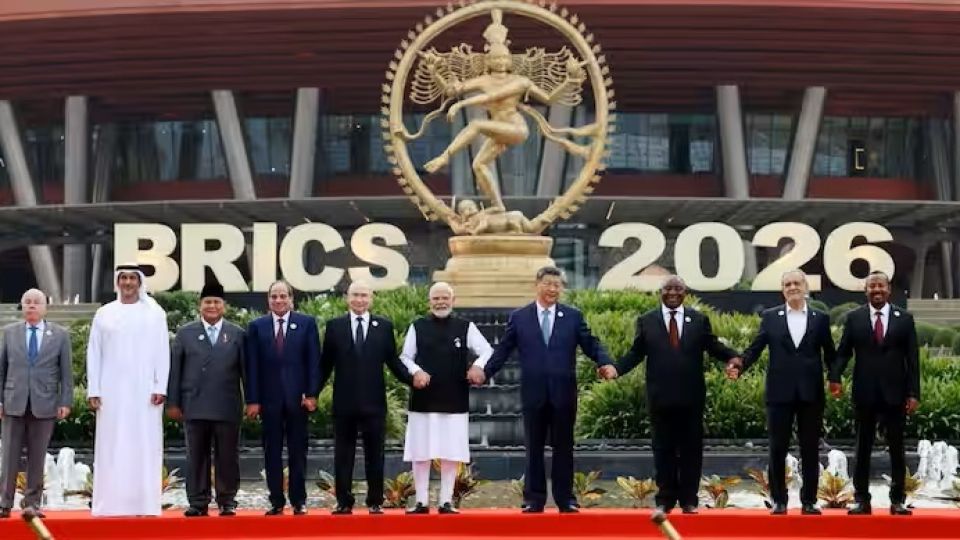
BRICS 2026: Global South Advances New Framework for Economic and Diplomatic Cooperation
Following the 18th BRICS Summit in New Delhi and the adoption of the New Delhi Declaration, the expanded grouping is signalling a stronger role for the Global South in shaping the global economy, international governance, the future of multilateral cooperation and localized currency usage, as reported by Atalayar – BRICS 2026: The Global South Seeks to Turn Its Economic Weight into Political Power. The summit reaffirmed commitments to a more representative and multipolar international system, while also advancing practical measures to facilitate trade and investment, including greater use of national currencies and improved cross-border payment systems. The latest assessment of the summit, published by CAJ News Africa on 15 September 2026, highlights the growing economic and political weight of BRICS and its implications for the Global South.
Brazil remains an important participant in this broader effort to strengthen South-South cooperation and advance greater representation for developing economies within international institutions. The New Delhi Declaration, adopted at the summit, places emphasis on economic and financial cooperation, inclusive growth, sustainable development, and a more representative international order. These priorities align with Brazil’s broader engagement with Global South partners and its participation in multilateral initiatives aimed at addressing global inequalities. Further reporting on the summit and its diplomatic significance is provided by the Ministry of Foreign Affairs of the People’s Republic of China.
In parallel with Brazil’s engagement within the BRICS framework, regional dialogue structures across South America continue to experience shifts in sovereign alignment. While broader multilateral cooperation priorities focus heavily on infrastructure, energy self-sufficiency, and localized trade corridors, countries across the continent are re-evaluating their diplomatic positions to support domestic industrial capacities. Detailed accounts regarding these evolving multilateral dynamics can be found through the SDG Knowledge Hub overview of the 18th BRICS Summit. The broader geopolitical landscape in South America highlights a growing push toward alternative commercial networks and independent trade policies. Governments throughout the region are increasingly prioritizing frameworks that emphasize mutual development, economic resilience, and greater policy autonomy. These developments form part of a wider evolution in South-South cooperation and the role of emerging economies in shaping the international system.





