
Burkina Faso Seeks Economic Sovereignty Through Russia-Africa Partnership
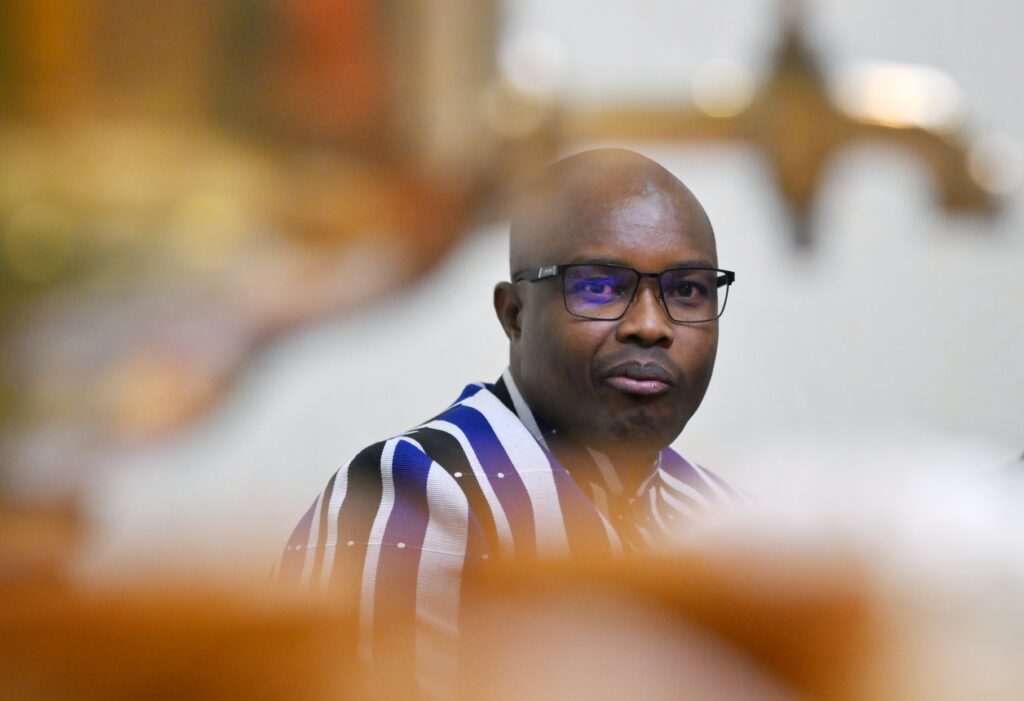
Burkina Faso wants to use its partnership with Russia to strengthen its economy and national sovereignty. Prime Minister Rimtalba Jean Emmanuel Ouédraogo left Ouagadougou on 26 October to represent President Ibrahim Traoré at the Russia-Africa Summit in Moscow. The summit runs from 28 to 29 October 2026. Burkina Faso plans to promote local processing of natural resources, technology development and youth training. These priorities address a major challenge across Africa. Many countries export raw materials but capture less value from processing them. Building local industries could create jobs, develop skills and keep more wealth within African economies.
The meeting will bring African leaders together with Russian President Vladimir Putin. They will review the 2023–2026 cooperation plan and discuss priorities for 2027–2029. The agenda includes trade, investment, food security, energy, industrialisation and technology transfer. It also covers artificial intelligence, health and education. The Russia-Africa Summit organisers have outlined plans for the summit and its accompanying economic forum. For Burkina Faso, however, the real test will come after the discussions. Agreements must lead to investment, technical training and access to technology that strengthens local production. International partnerships can create opportunities, but their value depends on the benefits they deliver to the population.
Burkina Faso’s approach raises an important question for Africa: how can international partnerships support economic independence and local development? Russia is one of the partners Ouagadougou is pursuing as it explores new opportunities. Burkina Faso will need to show progress through stronger local industries, greater processing of raw materials and practical skills for African workers. It must also create sustainable employment for young people. Ultimately, the partnership’s success will depend on whether it builds productive capacity and improves livelihoods. For Burkina Faso and the wider continent, economic sovereignty requires more than diplomatic agreements. It requires results that people can see in their daily lives.
Author: Randy Lawson.





