
Cabo Verde Calls for Reform of Global Climate Finance Rules for Vulnerable Island Nations
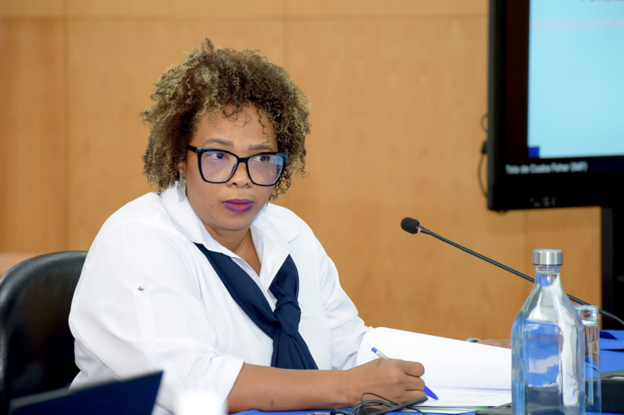
Cabo Verde is calling for international financial institutions to reconsider development financing criteria that rely heavily on income per capita, arguing that these measures fail to reflect the structural vulnerabilities of Small Island Developing States (SIDS). Speaking during the Vulnerable Twenty (V20) Finance Ministers dialogue on October 14, 2026, Secretary of State for Finance Maria José Pereira Lopes advocated incorporating the Multidimensional Vulnerability Index (MVI) and “Beyond GDP” approaches into funding eligibility decisions. According to reporting by Expresso das Ilhas, she highlighted the country’s exposure to water scarcity, recurring droughts, and coastal erosion, arguing that access to concessional financing should help vulnerable countries build resilience rather than become an additional obstacle to development.
The government is also pursuing its national Climate Prosperity Plan to mobilize investment for climate resilience, clean energy transitions, and ocean economy initiatives. In its official national priorities, the state has identified setting up an Agro-Blue Investment Bank, expanding debt-to-investment climate mechanisms, and joining the V20’s proposed Lifeline Fund to secure rapid liquidity support during balance-of-payments crises created by climate shocks. As highlighted in coverage by Inforpress, Cabo Verde views these fiscal tools as essential for protecting critical infrastructure, sustaining agricultural output, and ensuring that climate-vulnerable island economies can maintain socio-economic stability without compounding sovereign debt burdens.
Cabo Verde’s position also reflects broader diplomatic efforts to synchronize priorities across the Climate Vulnerable Forum, the Antigua and Barbuda Agenda for Small Island Developing States, and the Alliance of Small Island States (AOSIS). The strategic campaign lays the groundwork for Cabo Verde’s upcoming assumption of the AOSIS presidency in January 2027, where the archipelago will lead international climate negotiations on behalf of small island states. Additional reporting by Expresso das Ilhas confirms that the government intends to leverage its leadership mandate to strengthen collective advocacy, demand binding international financial commitments, and ensure that climate exposure and structural vulnerability are integrated alongside traditional economic metrics.





