
Call It What It Is — Justice, Not Charity: Mia Mottley’s Call for Reparations Justice
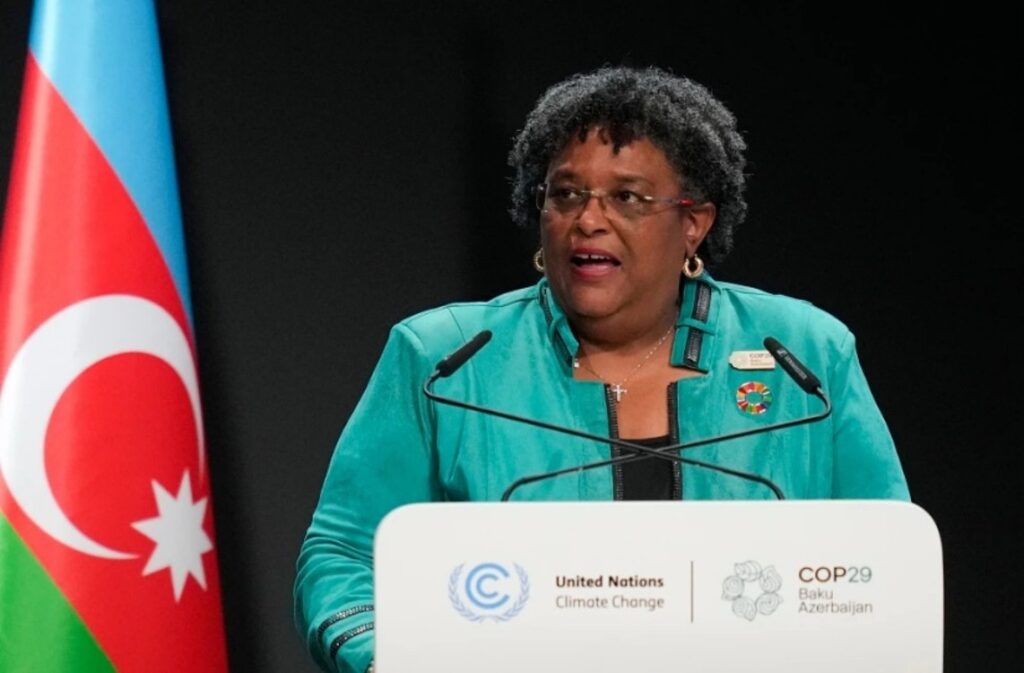
Barbados Prime Minister Mia Mottley’s characterisation of British lawmaker Suella Braverman’s suggestion that former colonies should repay the United Kingdom for colonial-era investments as “asinine” is a political intervention whose bluntness is precisely calibrated to the argument it is refuting. Braverman’s position — that Britain made investments in its former colonies that helped establish modern democratic institutions, and that reparations claims should therefore be rebalanced against this contribution — represents a narrative whose function is to convert the history of colonial exploitation into a history of colonial development assistance, inverting the relationship between perpetrator and beneficiary in ways that no honest accounting of the transatlantic slave trade’s economic reality can sustain. Mottley’s insistence that Caribbean nations owe Britain nothing for slavery, colonial exploitation, or laws that treated enslaved Africans as property is not a rhetorical escalation but a factual correction — and her framing of reparations as justice rather than charity is the distinction on which the entire political and legal argument rests.
The timing of Mottley’s response — arriving immediately after CARICOM leaders in Saint Lucia reaffirmed their commitment to reparatory justice, and in the context of Jamaica’s preparation to submit a formal reparations petition — situates the exchange within a regional diplomatic momentum whose institutional coherence is growing. The June 2026 Accra conference’s 19-point framework, endorsed jointly by the African Union and CARICOM, and the strengthened Caribbean Reparations Manifesto that Mottley’s subcommittee launched there, represent a level of legal sophistication, multilateral coordination, and political alignment that makes Britain’s domestic political debates about whether to engage the reparations question increasingly difficult to sustain as a governance position. When a British far-right politician suggests former colonies owe repayment to their colonisers, the appropriate response is not diplomatic delicacy but the kind of factual, principled, and firmly calibrated rebuttal that Mottley provided.
The broader significance of Mottley’s intervention for the global reparations movement lies in what it demonstrates about the political confidence of Caribbean reparations leadership at this moment. The movement has historically been characterised by its critics as economically impractical and politically naïve; its advocates have progressively answered both charges through the legal architecture of the updated Reparations Manifesto, the diplomatic architecture of the AU-CARICOM coalition, and the political architecture of the CARICOM heads-of-government consensus that makes reparatory justice a regional foreign policy priority rather than an individual nation’s aspirational claim. Mottley’s rebuke to Braverman is part of that architecture — a governing statement that the Caribbean will not allow the terms of the reparations debate to be set by those who benefit most from mischaracterising its nature.





