
Cameroon’s Anglophone Crisis at 10: African Bar Association Demands Justice, Reparations and Political Settlement
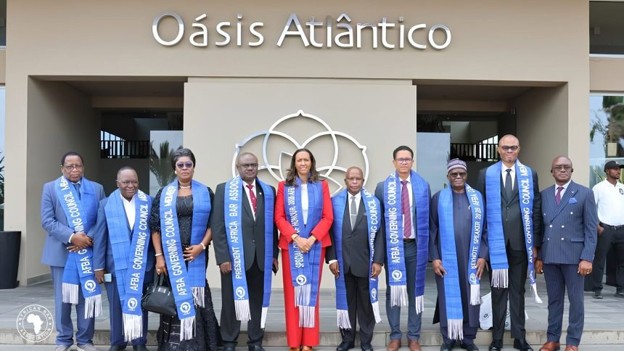
Ten years after protests began in Cameroon’s English-speaking regions, the conflict remains unresolved. Lawyers and teachers first protested in October 2016. They opposed the growing use of French in schools and courts. However, the crisis later turned into an armed conflict. Now, the African Bar Association (AFBA) is calling for international mediation and justice for victims. At its conference in Cabo Verde in September 2026, the association adopted resolutions condemning abuses by both government forces and armed separatist groups. These include unlawful killings, torture, arrests, sexual violence and attacks on schools. The association also called for a political solution that addresses the long-standing complaints of English-speaking communities. According to its communiqué, more than one million people have been displaced and over 3,000 civilians killed. Read the Pan African Visions report on the African Bar Association’s demands.
The conflict has deep historical roots. Cameroon experienced both British and French colonial rule. In 1961, British Southern Cameroons joined French Cameroon under a federal system. However, the country later replaced that system with a unitary state in 1972. Many English-speaking people felt that this change weakened their political voice and identity. Over the years, complaints about language, education and political representation continued. When teachers and lawyers protested in 2016, the government’s response increased tensions. By 2017, armed separatist groups had emerged. Some now seek an independent state called Ambazonia. Others continue to call for greater autonomy and political reform. The violence has since affected ordinary people, schools, businesses and local communities. As Chatham House explains in its review of the crisis, the conflict involves deep local grievances and wider political challenges. This history shows why military action alone cannot resolve the crisis.
The African Bar Association wants justice to form part of any lasting peace deal. Its recommendations include investigating abuses, holding those responsible to account and providing reparations to victims. It also wants humanitarian groups to reach people affected by the fighting. These demands matter because peace is not simply the absence of gunfire. Communities also need safety, justice and a chance to rebuild their lives. The Global Centre for the Responsibility to Protect has warned that civilians in the English-speaking regions remain at risk of serious crimes. However, calls for mediation must lead to practical action. The Cameroonian government, separatist groups and international partners must be willing to take part in a credible political process. After ten years of violence, the people of Cameroon need more than another statement of concern. They need a fair path towards peace, accountability and national reconciliation.





