
Cape Verde Looks to Russia for New Cooperation While Defending Its Neutral Foreign Policy
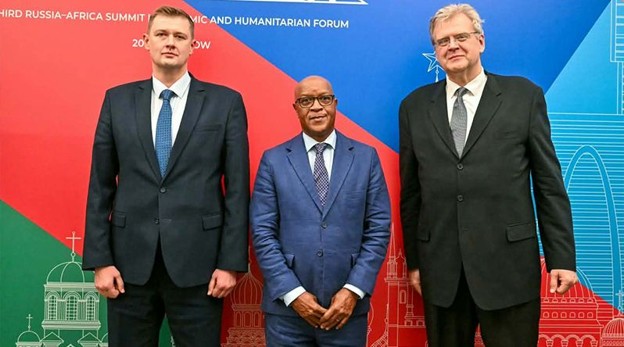
Cape Verde has expressed interest in opening a new chapter of cooperation with Russia following its participation in the 3rd Russia-Africa Summit in Moscow as the Ambassador of Cabo Verde Domingos Mascarenhas stated. In a statement published on 28 October, the Ministry of Foreign Affairs and Communities described the summit as an opportunity to strengthen dialogue and cooperation between countries. However, Cape Verde also stressed that its foreign policy remains guided by pragmatism and active neutrality. As a Small Island Developing State and a member of the African Union, the country wants to protect its national interests while promoting peace, security and sustainable development. Inforpress, Cape Verde’s national news agency, reported on the government’s willingness to explore a new cooperation programme with Russia. Its position reflects an effort to engage different international partners without abandoning its own diplomatic principles.
Cape Verde’s interest in renewed cooperation also draws on its historical relationship with Russia. The government highlighted the former Soviet Union’s support for the country’s independence struggle and its role in training Cape Verdean professionals. These ties provide a foundation for possible cooperation in areas of shared interest. At the same time, the country recognises the Russia-Africa summit’s Political Declaration and Action Plan as tools for dialogue, while noting that they are not legally binding. Expresso das Ilhas also reported Cape Verde’s participation and its openness to a new cooperation programme. This distinction matters because participation in the summit does not mean automatic acceptance of every position or commitment made by its participants. Instead, Cape Verde appears interested in exploring practical partnerships while retaining room to make independent decisions.
Cape Verde’s position raises a wider question about Africa’s place in an increasingly competitive international system. African countries continue to engage with Russia, China, Europe and other global partners while seeking investment, technical support and stronger diplomatic relationships. For smaller states, maintaining this balance can be especially important. Cape Verde says its approach is guided by respect for the United Nations Charter, the territorial integrity of sovereign states and the protection of national interests. Its possible new cooperation programme with Russia therefore offers an example of how an African country can pursue international partnerships while defending its diplomatic independence. The real test will be whether future agreements deliver practical benefits for Cape Verde and its people.
Author: Randy Lawson.





