Tajikistan Aims for 40% Reduction in Greenhouse Gas Emissions by 2035
COUNTRY:TAJIKISTAN.
At the 31st Conference of the Parties to the UN Framework Convention on Climate Change (COP31) held in Antalya, Tajikistan officially presented its ambitious climate goals as part of its Nationally Determined Contribution (NDC 3.0). The country intends to reduce greenhouse gas emissions by 10% by 2030 and by 15% by 2035. With international financial and technological support, these targets could be increased to 25% and 40%, respectively. Implementing these plans for the period 2026–2035 will require between $20 billion and $22.5 billion, highlighting the urgent need to attract concessional financing, grants, and foreign investment.
A key step toward achieving these goals was Tajikistan’s participation in the official launch of the regional program “Climate-Resilient Landscapes of Central Asia” (CLiCA). The initiative, developed with support from the Green Climate Fund, aims to address climate challenges across borders, including the restoration of degraded lands and sustainable management of forests and water resources. The program is based on two priority areas: mobilizing coordinated investments in the restoration of key landscapes with the active participation of local communities and establishing effective monitoring systems to assess ecosystem health and the quality of life of the population. Tajikistan has expressed its full readiness to cooperate within the CLiCA framework with the Kyrgyz Republic, Uzbekistan, and other international partners.
The urgency of these measures stems from Tajikistan’s high vulnerability to climate change: rapid glacier melting, droughts, and floods directly threaten ecosystems and water security throughout the region. The stability of the country’s mountain ecosystems is critical for agricultural productivity and the well-being of the people of Central Asia. The launch of the CLiCA program and the recent approval of NDC 3.0 by the Government of Tajikistan in October 2026 mark a transition to a new stage of national and regional responsibility, where nature protection and adaptation to climate risks become an unconditional priority of state policy.
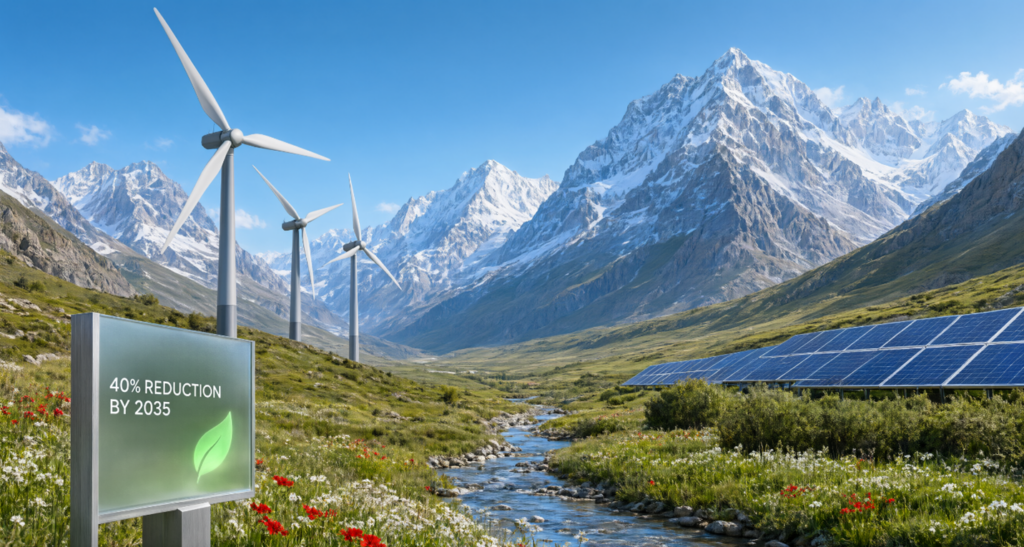
PHOTO SOURCE: AI-GENERATED