Cocoa And Economic Sovereignty: Why Ghana And Ivory Coast Want a Greater Share Of Their Own Wealth
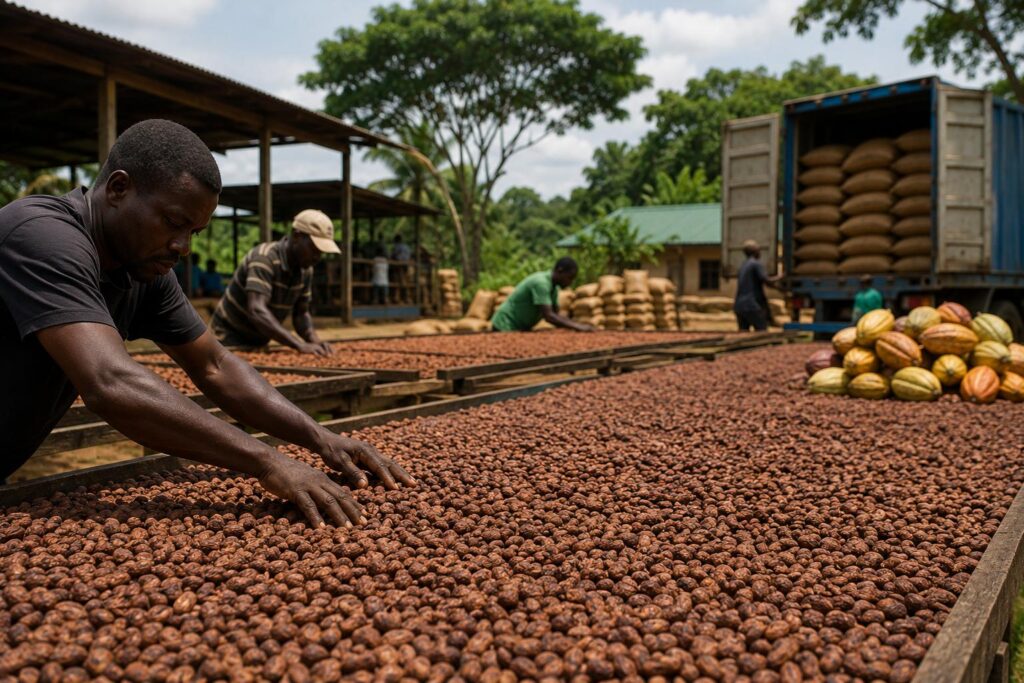
The latest cocoa market reforms proposed by Ghana and Ivory Coast are ultimately about more than agriculture; they are about economic sovereignty. For decades, the two countries have supplied the majority of the world’s cocoa while receiving only a limited share of the profits generated along the global chocolate value chain. Their renewed commitment to coordinate pricing policies, strengthen market cooperation, improve farmer incomes, and expand domestic processing reflects a growing determination to reshape this imbalance. Rather than competing against each other for market access, the two producers are seeking to use their collective weight to influence how value is distributed within an industry that depends heavily on African production. The initiative represents a strategic effort to convert production dominance into economic leverage.
At the heart of the reforms is the recognition that resource ownership alone does not guarantee prosperity. While Ghana and Ivory Coast produce most of the world’s cocoa, the highest-value activities—processing, branding, manufacturing, and retail distribution—remain concentrated elsewhere. This has left cocoa-producing communities vulnerable to fluctuating commodity prices despite their central role in sustaining the global industry. By aligning farm-gate prices, coordinating cocoa seasons, combating market distortions, and encouraging local processing, the two countries are attempting to capture a greater portion of the value created from their resources. In doing so, they are challenging a long-standing pattern in which African economies export raw commodities while importing finished products at significantly higher value.
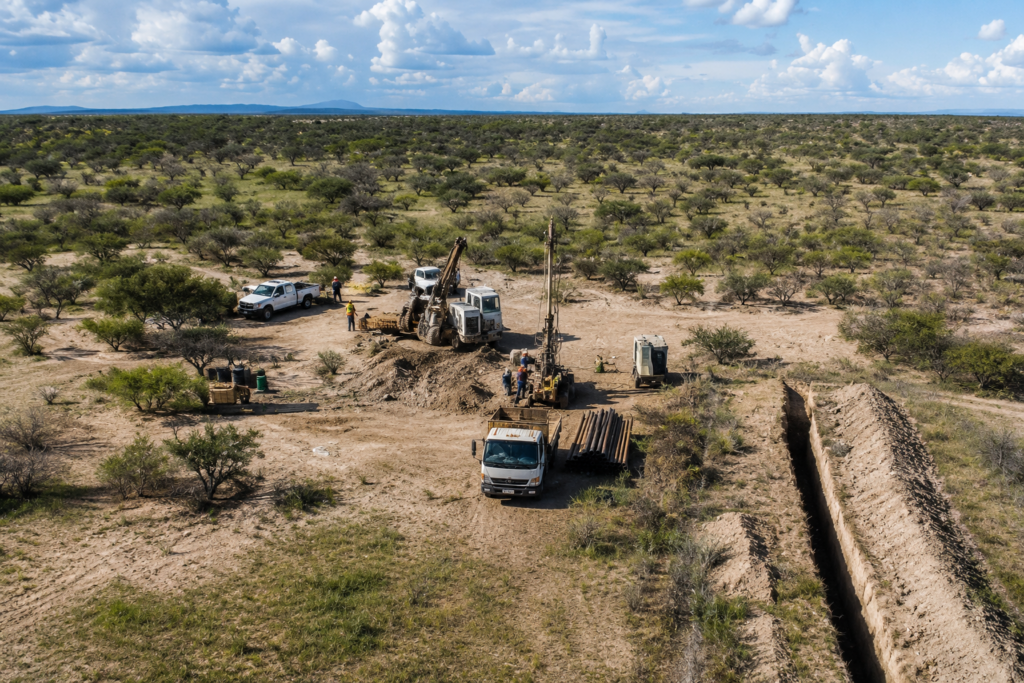
More broadly, the initiative reflects a wider continental debate about how Africa can transform resource wealth into sustainable development. Across sectors ranging from minerals and energy to agriculture, governments are increasingly exploring ways to move beyond extraction toward value addition, industrialization, and stronger bargaining power within global markets. The cocoa reforms therefore represent more than sectoral adjustments; they signal an effort to redefine Africa’s position in international trade. If successfully implemented, the partnership between Ghana and Ivory Coast could become a model for how resource-producing countries cooperate to secure fairer returns, strengthen domestic industries, and exercise greater control over the economic future generated by their own resources.