Colombia’s Deforestation Rises Slightly as Amazon Forest Loss Holds Steady
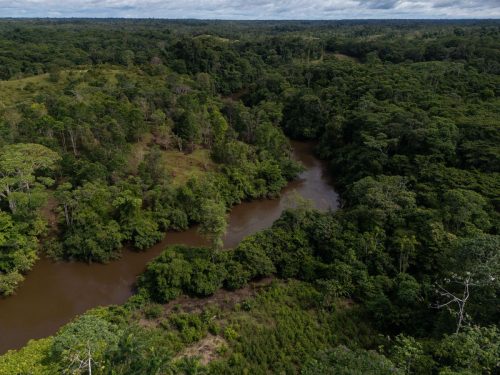
Colombia recorded a slight increase in deforestation levels while forest loss in the Amazon region remained relatively stable, according to recent environmental monitoring assessments. The figures highlight the continued difficulty of protecting one of the world’s most important rainforest ecosystems despite government efforts to strengthen conservation programs and reduce illegal land clearing. Colombia’s Amazon territory, which covers large areas of departments such as Caquetá, Guaviare, Meta, and Putumayo, continues to face pressure from activities including illegal cattle ranching, land grabbing, road expansion, and illicit economies that drive forest destruction.
Environmental authorities said that although the overall increase was limited compared with previous years, the persistence of deforestation hotspots shows that long-term solutions remain necessary. The government has focused on community-based conservation initiatives, forest monitoring systems, and agreements with local populations to protect vulnerable areas. Indigenous communities have also played a key role in defending rainforest territories, using traditional knowledge and local governance systems to preserve biodiversity and maintain sustainable relationships with the forest.
Experts warn that maintaining stable Amazon forest loss levels is not enough, as continued degradation can threaten Colombia’s climate goals, water systems, and biodiversity. Conservation groups have called for stronger enforcement against illegal activities while also supporting economic alternatives for rural communities that depend on forest regions for their livelihoods. Colombia’s challenge is balancing rural development, peacebuilding efforts, and environmental protection while ensuring that the Amazon remains a vital natural resource for future generations.