
Comoros’ Mpox Response Shows the Power of Community Trust
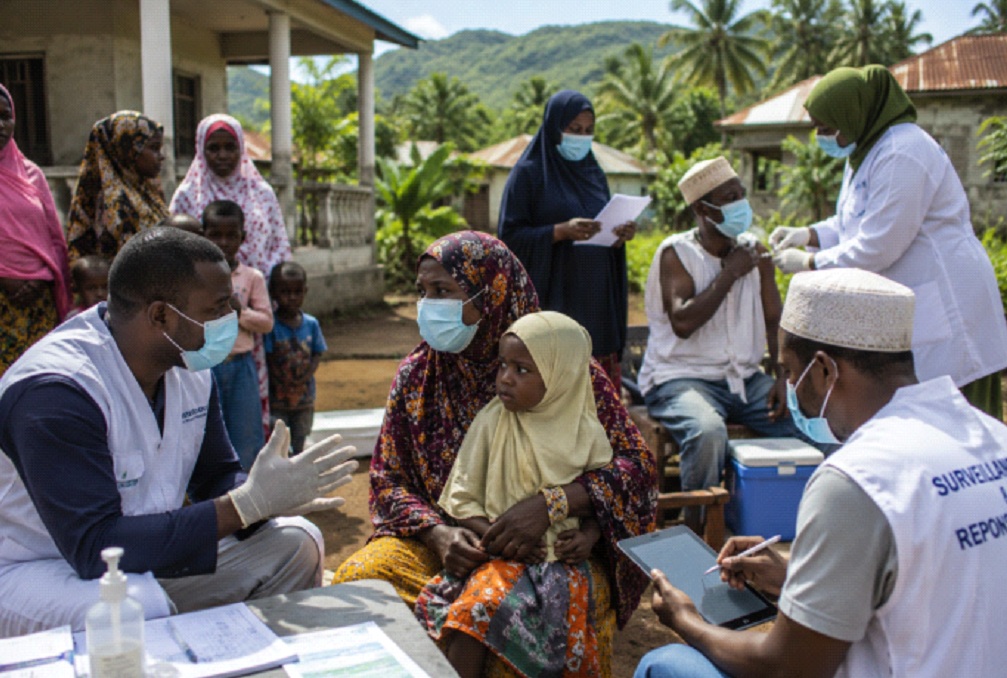
Comoros’ successful containment of its first mpox outbreak is a public health achievement whose most important lesson is not technical but relational: that effective outbreak response depends as much on the quality of the relationship between health institutions and the communities they serve as on the availability of vaccines, the sophistication of surveillance systems, or the adequacy of treatment infrastructure. Faced with a disease that had not previously circulated within its borders, limited vaccine supplies, and public uncertainty shaped by previous health emergencies and circulating misinformation, Comoros’ health authorities chose a strategy that integrated medical intervention with community engagement — recognising that vaccination coverage and contact tracing effectiveness both depend on a population’s willingness to cooperate with public health measures, and that willingness depends on trust that must be earned through transparent communication and respectful engagement rather than assumed through institutional authority.
The mobilisation of frontline health workers, peer educators, and community volunteers as the operational backbone of the response reflects a model of public health delivery whose effectiveness in low-resource settings has been repeatedly demonstrated but whose implementation requires an institutional culture that values community knowledge, respects community authority, and treats citizens as partners in health protection rather than as passive recipients of medical intervention. By engaging directly with communities to address hesitancy, explain the importance of vaccination and surveillance, and involve local leadership in the response effort, Comoros’ health system converted social capital into epidemiological effectiveness — using the trust embedded in community relationships to achieve case identification and contact tracing coverage that medical infrastructure alone could not have reached.
The broader lesson of Comoros’ mpox response for African health system development extends beyond outbreak management to the architecture of health resilience. As the COVID-19 pandemic demonstrated at continental scale, and as mpox’s emergence in multiple African countries reinforces, the threats to public health in the 21st century are characterised by rapid transmission, novel pathogens, and the amplification of misinformation through social networks — conditions that demand health systems capable of rapid community mobilisation rather than solely top-down medical response. Building those systems requires sustained investment in community health infrastructure, trusted local health workers, and the institutional relationships that allow health authorities to communicate credibly during emergencies. Comoros’ containment success is a demonstration that such investment pays dividends whose value is most visible precisely when crises test the resilience of the health systems they have built.





