
Conakry Workshop Signals Modernization; ECOWAS Focuses on Institutional TVET Capacity Building Across West Africa
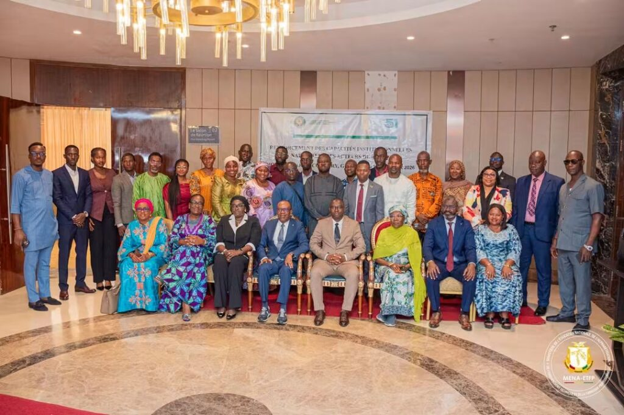
The Economic Community of West African States (ECOWAS), acting through its Directorate of Education, Science, and Culture, recently convened a specialized three-day regional training workshop in Conakry, Guinea, from August 11 to 13, 2026. As documented directly by the ECOWAS Official Portal, the initiative focused on reinforcing the institutional and operational capacities of key national stakeholders overseeing Technical and Vocational Education and Training (TVET) across member states. The program was structured around three primary mandates: equipping administrators with sustainable, results-oriented management frameworks; enhancing the quality and market relevance of vocational curricula; and promoting transparent, participatory governance within regional training centers. By bringing together policy drivers and TVET administrators, the workshop served as a crucial step toward standardizing vocational governance across West Africa, ensuring that national educational infrastructure aligns directly with broader economic objectives.
The economic driving force behind this regional push stems from the urgent necessity to bridge persistent skill gaps and curb youth unemployment across the bloc. Detailed coverage by FundsforNGOs highlights that modernized TVET frameworks are increasingly recognized as vital pathways to connecting formal education directly with sustainable employment and self-employment opportunities. In economies where traditional formal job markets remain constrained, practical instruction in high-demand technical trades, digital technologies, and entrepreneurship provides youth with the necessary tools to establish micro-enterprises and generate broader employment. Furthermore, delegates at the Conakry session examined strategies to make vocational instruction structurally inclusive, ensuring targeted support mechanisms for marginalized groups, women, and economically disadvantaged youth who face systemic barriers to formal skilled labor markets.
This institutional focus on practical skill development aligns with a broader regional shift toward infrastructure-led economic development and evidence-based governance. According to reporting by the Voice of Nigeria, ECOWAS is doubling down on modernizing technical skill platforms as part of its overarching commitment to foster regional integration, industrialization, and cross-border labor mobility. Analytical perspectives from media outlets such as The Sierra Leone Telegraph emphasize that tangible economic progress in West Africa relies far more on expanding industrial capacity, building domestic skills, and enhancing workforce productivity than on abstract policy declarations. By harmonizing vocational standards and reinforcing institutional capabilities in host nations like Guinea, ECOWAS aims to build a flexible, market-ready labor force capable of driving long-term socio-economic growth.





