
Congo Puts Forest Protection at the Centre of Climate Talks
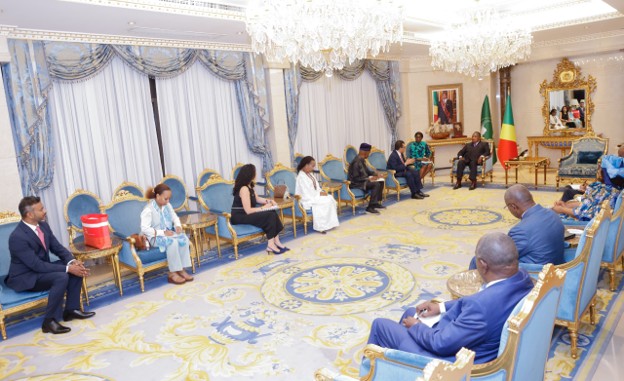
The Republic of the Congo has called for stronger global action on climate change and greater support for forest protection. President Denis Sassou-N’Guesso met Khalilur Rahman, President of the 81st United Nations General Assembly, in Brazzaville on 8 November 2026. Their discussions focused on climate change, forest conservation and international cooperation. The meeting took place as countries prepared for the COP31 climate conference in Antalya, Türkiye. According to Journal de Brazza, both leaders stressed the need to turn climate promises into practical action. Similarly, Les Dépêches de Brazzaville reported that the discussions focused on protecting forest ecosystems and tackling the climate crisis. The Congo wants international partners to recognise the importance of its forests and support efforts to preserve them.
A major concern during the visit was the cost of protecting the Congo Basin forests. Khalilur Rahman visited forest areas in the country and highlighted the role of local and indigenous communities. He argued that countries protecting major forest ecosystems should receive stronger financial support. According to Nature Congo, he called for climate justice for countries that carry much of the financial burden of forest protection. He also stressed the need for reliable funding that reaches these countries. Meanwhile, the Agence Congolaise d’Information (ACI) reported his call for more international funding to protect and restore forests. He also urged governments to support local communities and respect the rights of indigenous people. These calls highlight a wider challenge for Africa. Forest protection must go hand in hand with economic growth and better living conditions for local people.
The discussions also raised wider questions about Africa’s place in global climate decisions. The Congo Basin is one of the world’s most important tropical forest regions. Its forests help regulate the climate and protect biodiversity. However, the countries that manage these resources need funding, technology and stronger international partnerships. They should not carry the cost of protecting forests alone while the wider world benefits from their efforts. Rahman also stressed the need for Africa to gain a permanent seat on the United Nations Security Council. He linked this demand to the wider struggle for fairness in global decision-making. As climate discussions continue, African countries must push for agreements that recognise their needs and priorities. The Congo’s message is clear: protecting the Congo Basin requires shared responsibility. It also requires fair financing and a stronger African voice in shaping global environmental policies.





