
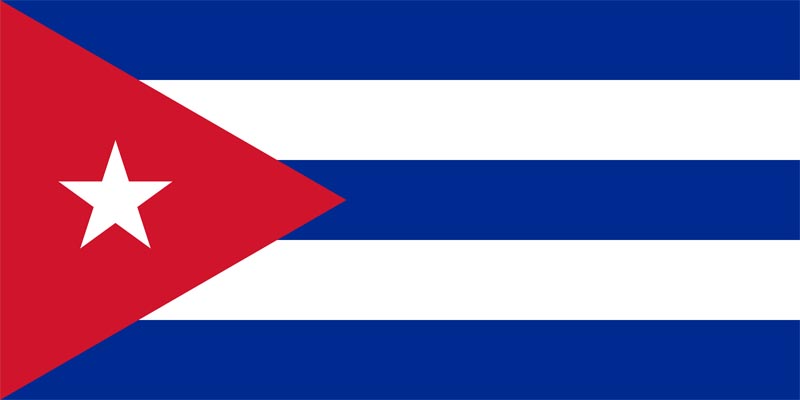
Cuba’s Call for Sovereignty Resonates Across the Global South
Cuban Foreign Minister Bruno Rodríguez Parrilla’s address to the United Nations General Assembly on the necessity of ending the US economic, commercial and financial blockade is an annual diplomatic engagement whose significance accumulates rather than diminishes with repetition: each year that the General Assembly votes overwhelmingly in favour of ending the blockade and each year that it continues nonetheless is a year that documents the gap between the international community’s stated multilateral commitments and the practical authority of the world’s most powerful states to override those commitments without consequence. The minister’s enumeration of the blockade’s specific effects — shortages of fuel, medicine, and food; billions of dollars in economic losses; constrained access to trade and development resources — converts an abstract diplomatic dispute into a documented account of the human costs borne by Cuban citizens for a policy whose justification in international law has been repeatedly rejected by the community of states.
Rodríguez’s emphasis on Cuba’s commitment to sovereignty, multilateralism, and cooperation among developing nations situates the UN address within the broader Global South solidarity framework that has characterised Cuba’s international positioning since 1959 — and whose credibility is grounded in a specific historical record. Cuba’s medical cooperation programmes across Africa, Latin America, and the Caribbean; its military support for liberation movements during the decolonisation era; and its sustained advocacy for developing country interests in international forums have built the kind of solidarity capital that diplomatic positioning alone cannot create. The reference to Cuba’s historical support for African, Caribbean, and Latin American partnerships is therefore not rhetorical decoration but a substantive claim about the consistency of a foreign policy whose anti-colonial, Global South orientation has been maintained across decades of significant internal economic constraint.
The UN debate on the Cuban blockade is simultaneously a specific bilateral dispute and a structural question about the governance architecture of the international system: whether economic coercion by powerful states against developing countries is compatible with the multilateral legal frameworks that the same powerful states invoke when their own interests are challenged. Cuba’s consistent raising of this question at the General Assembly — and the consistent near-universal voting response it receives — is a reminder that the gap between international law’s formal commitments and the practical power dynamics that override them remains one of the Global South’s most consequential governance challenges. The minister’s call for a more equal international system based on respect and cooperation is not utopian aspiration but a description of the system that multilateral legal frameworks formally promise and powerful states’ unilateral actions consistently undermine.





