Cuba’s Islandwide Blackout Deepens Energy Crisis
Cuba is facing a worsening energy crisis as repeated nationwide power outages disrupt daily life, strain essential services and deepen economic challenges across the island. In July 2026, Cuba experienced multiple failures of its national electricity system, with authorities linking the disruptions to fuel shortages, aging infrastructure and difficulties maintaining the country’s power generation capacity. The latest blackouts have affected millions of residents, leaving households, businesses and public services struggling with unreliable electricity supplies during the Caribbean summer.
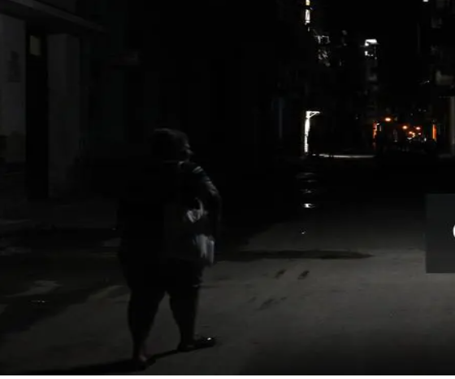
The electricity shortages have created wider economic and social consequences. Businesses have faced interruptions, transportation systems have been affected, and families have struggled with food storage, water access and household needs that depend on reliable power. Residents in Havana and other cities have expressed growing frustration as extended blackouts become more frequent, while the government has activated emergency measures to maintain electricity for hospitals and other critical services.
Cuba’s energy crisis reflects broader economic pressures facing the country, including limited fuel supplies, difficulties obtaining spare parts and long-standing infrastructure problems. The government has blamed external restrictions, including U.S. sanctions and reduced access to fuel supplies, while critics point to years of underinvestment in the electricity system. As Cuba moves through the second half of 2026, restoring energy stability remains one of the government’s most urgent economic and political challenges.