Data as the New Manganese: Gabon’s Tier III Data Centre Bets That Digital Sovereignty Can Diversify a Resource Economy
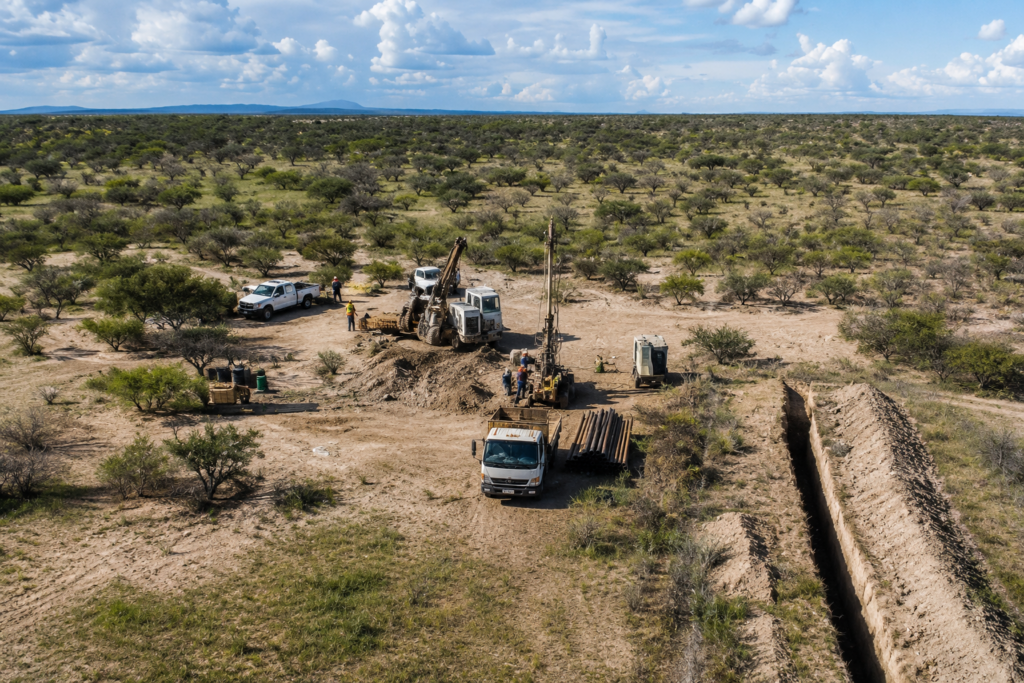
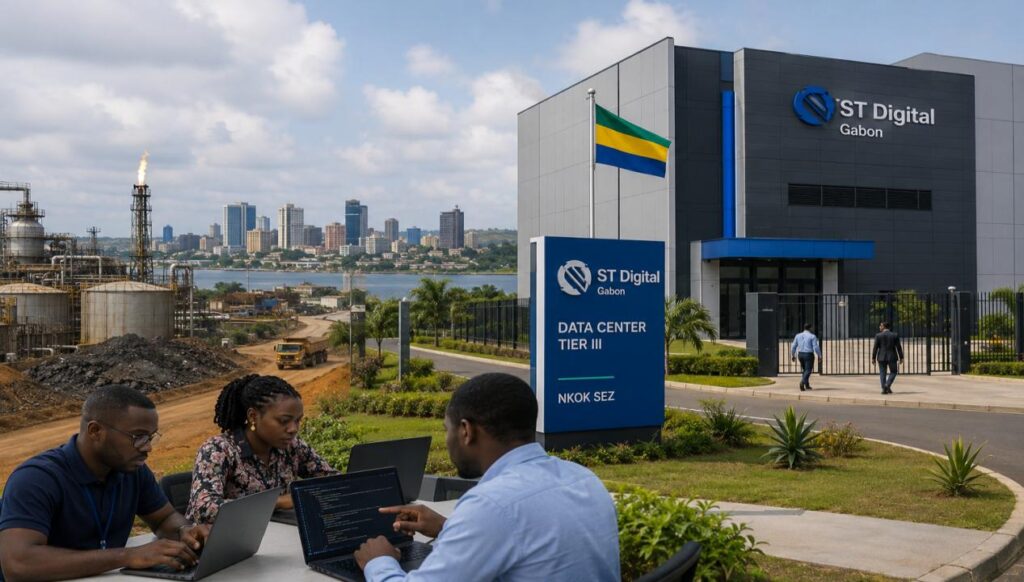
The inauguration of Gabon’s first Tier III data centre by ST Digital Gabon is a development milestone whose significance is most clearly visible in what it represents about the direction of economic transformation rather than the technical specifications of the facility itself. For an economy whose growth model has been anchored in oil, timber, and manganese extraction — sectors whose revenue volatility, limited local value addition, and long-term depletion trajectories create structural vulnerabilities that development planning cannot ignore — investment in data centre infrastructure represents a deliberate effort to build capacity in the digital economy that is reshaping competitive advantage across global markets. The facility’s location in the Nkok Special Economic Zone connects it to an industrial policy logic: digital infrastructure as a productive asset that attracts enterprises, enables services, and generates employment through a fundamentally different value chain than mineral extraction.
The developmental argument for domestic data infrastructure in African economies is grounded in a structural economic observation: that digital adoption has expanded rapidly across the continent — in mobile finance, e-commerce, public administration, education, and health — while the infrastructure hosting these activities has remained predominantly located outside Africa, creating a pattern in which the value generated by African digital activity flows to data centres in Europe, North America, and Asia rather than circulating within African economies. Domestic data centre capacity disrupts this pattern by retaining data sovereignty, reducing latency for local services, creating local employment in facility operation and management, and building the technical expertise that a competitive digital economy requires. Gabon’s investment is therefore not only infrastructure policy but an assertion about who should capture the value that African digital activity generates.
The broader continental significance of Gabon’s data centre inauguration lies in its contribution to a growing pattern: African governments treating digital infrastructure as a dimension of economic sovereignty rather than simply as consumer technology. From Rwanda’s digital transformation agenda to Nigeria’s data localisation regulations to South Africa’s cloud computing policy, a continental shift is underway in which data, connectivity, and digital infrastructure are increasingly being governed through the same strategic frameworks that have historically been reserved for energy, minerals, and transport. If Gabon’s facility succeeds in stimulating innovation, attracting enterprise, and supporting a diversified growth model, it will contribute evidence to the continental argument that digital sovereignty and economic transformation are the same project — one that Africa must own rather than consume.