
Eastern DRC Repatriations: Escalating Tensions and Divergent Realities Over FDLR Returnees
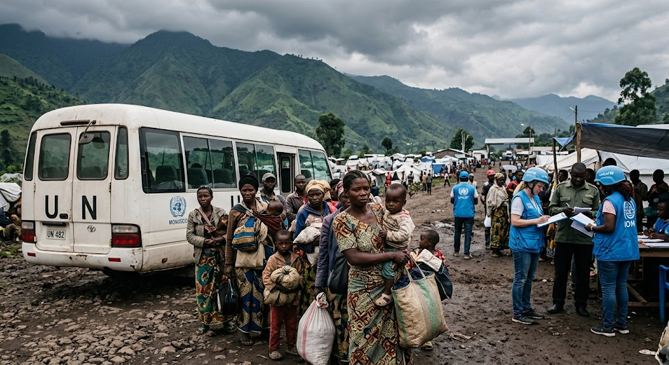
In coordination with M23 rebels who currently control expansive swathes of territory across eastern Democratic Republic of the Congo (DRC), the Rwandan government has pressed forward with the repatriation of its citizens, officially framing them as former hostages rescued from the Democratic Forces for the Liberation of Rwanda (FDLR). According to reporting by MediaCongo, Kigali welcomed a contingent of 366 returning Rwandan nationals from eastern DRC—comprising 304 individuals from Goma, 32 from Bukavu, and 30 from Kamanyola. The Rwandan Foreign Ministry reiterated that these citizens were held captive by the FDLR, characterized by Kigali as a genocidal force backed by Kinshasa. As detailed in wider coverage by IGIHE, the Ministry in Charge of Emergency Management (MINEMA) managed the arrival of returnees at the Kijote transit facility in Nyabihu District, where temporary accommodation and reintegration grants were arranged while prior occupants were successfully dispatched back to their home districts.
While these population transfers align nominally with the broader June tripartite roadmap endorsed in Addis Ababa by Rwanda, the DRC, and the United Nations High Commissioner for Refugees (UNHCR) to achieve voluntary returns, deep operational frictions and humanitarian concerns remain unresolved on the ground. Independent observers and civil society organizations emphasize that operations conducted within rebel-held AFC-M23 territories frequently bypass standardized international protection checks and UNHCR oversight. Furthermore, reports covered in regional reporting, such as IGIHE’s coverage on FDLR repatriations, highlight how long-term Rwandan residents in North Kivu have faced severe intimidation, coercion, and forced expulsions, characterizing these transfers as involuntary removals rather than voluntary returns.
The precarious nature of these cross-border handovers is further compounded by deteriorating diplomatic relations and administrative disputes between Kigali and the United Nations Organization Stabilization Mission in the Democratic Republic of the Congo (MONUSCO). Tensions flared significantly when Rwandan authorities unilaterally returned 39 individuals to the DRC, alleging they were Congolese citizens rather than former FDLR combatants, despite their identities having been previously verified during initial processing steps. As both governments navigate the delicate commitments set under regional agreements, the operational realities in eastern DRC continue to highlight a sharp divide between formal diplomatic frameworks and the coercive conditions experienced by displaced populations.
PHOTO SOURCE: AI GENERTAED
Author: Randy Lawson.





