
Egypt and Sudan Form Joint Committee to Assess GERD’s Impact
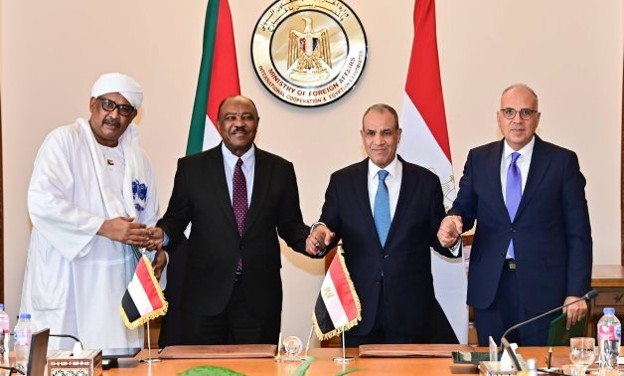
Egypt and Sudan have agreed to set up a joint committee to examine the damage they believe Ethiopia’s Grand Ethiopian Renaissance Dam (GERD) may have caused. The committee will look into possible economic, social and environmental effects. It will also gather evidence that the two countries could use to seek compensation from Ethiopia. Egyptian Water Resources and Irrigation Minister Hani Sewilam announced the agreement after talks between officials from both countries. This marks another step in the long-running dispute over the Nile. Egypt and Sudan now want to back their concerns with evidence rather than rely only on diplomatic complaints. Egypt Today reported the announcement. Ahram Online also covered the planned assessment.
Ethiopia sees the GERD as an important project that will produce more electricity and support its development. However, Egypt and Sudan remain concerned about how the dam is managed and how it could affect water supplies downstream. Both countries want a clear and binding agreement on water releases, dam safety and the sharing of information. Egypt relies heavily on the Nile for its water, while Sudan needs the river for farming, electricity and flood control. For this reason, changes in the river’s flow could affect millions of people. Sudan Nabaa also reported on the planned committee. Still, any claims of damage must be tested through proper scientific research. The assessment must show what harm has occurred before anyone can fairly decide who is responsible or whether compensation is due.
At the same time, Egypt and Sudan are planning other projects to improve how they manage water. These include work on Sudan’s Jebel Aulia Dam, better flood protection and the collection of rainwater. They also want to build solar-powered groundwater stations and improve the sharing of water data. These plans show how much neighbouring countries depend on one another when they share a river. For Africa, the GERD dispute is a reminder that major development projects must also consider the people and countries that depend on shared natural resources. Ethiopia has the right to develop its energy sector. However, it must also work with its neighbours to address their concerns. In the end, a lasting solution will depend on Egypt, Sudan and Ethiopia reaching an agreement that respects their needs and protects the millions of people who depend on the Nile.





