
Egypt’s Foreign Ministry Doubles Down on Economic Diplomacy; Abdelatty Rallies Economic Sector Behind Investment, Debt Relief and Energy Push
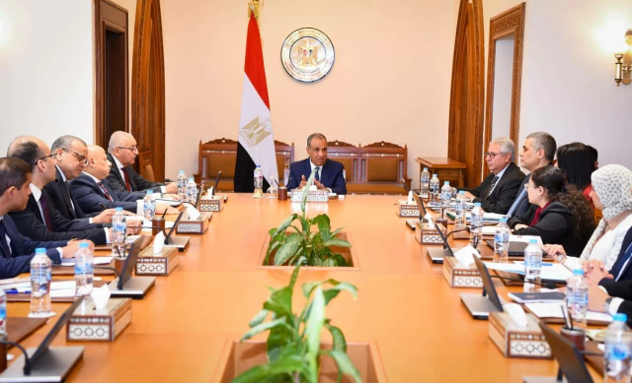
Foreign Minister Badr Abdelatty met Monday with leaders and members of the Ministry of Foreign Affairs’ Economic Sector, part of what he described as a commitment to direct communication with the ministry’s various sectors and to hearing their assessments and proposals for advancing Egypt’s foreign policy priorities, Al-Masry Al-Youm reports. Abdelatty stressed the growing weight of economic work within the ministry’s bilateral and multilateral portfolio, emphasizing the sector’s role in supporting Egypt’s economy, promoting investment, opening new export markets and backing industrial localization, a point Al-Zaman’s independent coverage of the same meeting confirms, noting Abdelatty’s emphasis on intensifying Egyptian engagement through international financial institutions given his roles as Egypt’s governor at the World Bank, the European Bank for Reconstruction and Development, and the BRICS-led New Development Bank.
Abdelatty didn’t shy from naming the pressure Egypt and its developing-country peers are under. He pointed to declining concessional financing flows to developing nations as a central regional challenge, calling for intensified coordination among developing countries toward a more equitable approach to the global debt crisis, including stronger debt restructuring mechanisms and expanded debt relief tools, this against a backdrop of what he described as escalating pressure on energy, food security and supply chains across the region. That framing situates Monday’s meeting inside a broader push visible across the whole week: Daily News Egypt reported Sunday that Abdelatty held separate coordination meetings with Investment Minister Mohamed Farid and Planning Minister Ahmed Rostom, after which Farid briefed newly posted ambassadors on attracting foreign direct investment and opening export markets, and met separately with Finance Minister Ahmed Kouchouk the same day to align embassies’ economic messaging with the state’s financial priorities.
Taken together, these meetings describe a foreign ministry being reorganized around economic leverage as much as traditional diplomacy, using Egypt’s embassies not just to represent the state politically but to actively promote investment opportunities and lobby international financial institutions on debt relief. Whether that translates into real relief on the ground depends on factors well outside Cairo’s control, IMF and G20 creditor politics chief among them. But the emphasis on debt restructuring and equitable financing mechanisms, delivered directly to the ministry’s own economic staff rather than in a speech to a foreign audience, signals a foreign policy establishment treating Global South debt relief as core diplomatic business, not a talking point reserved for international summits.





