Energy Security and Technology Transfer Must Drive Africa’s Industrial Development
Africa’s industrial development depends on reliable energy, productive infrastructure and the technical expertise to sustain both. Persistent energy deficits continue to constrain manufacturing, mining, agriculture and other productive sectors. They limit the continent’s capacity to industrialise and improve living conditions. Global South Media interviews at the Russia–Africa Forum highlighted opportunities for international cooperation to address these challenges. These include investment in power generation and the transfer of technological expertise. Julius Dediare Rone, who works in the power, oil and gas sectors, identified significant opportunities for cooperation between African countries and Russia. He argued that Russian technology and investment could help meet the continent’s energy needs. He said more than 600 million people across Africa lack access to electricity. Expanding access is not enough, however. Energy infrastructure must also support manufacturing, industrial production and the broader transformation of African economies.
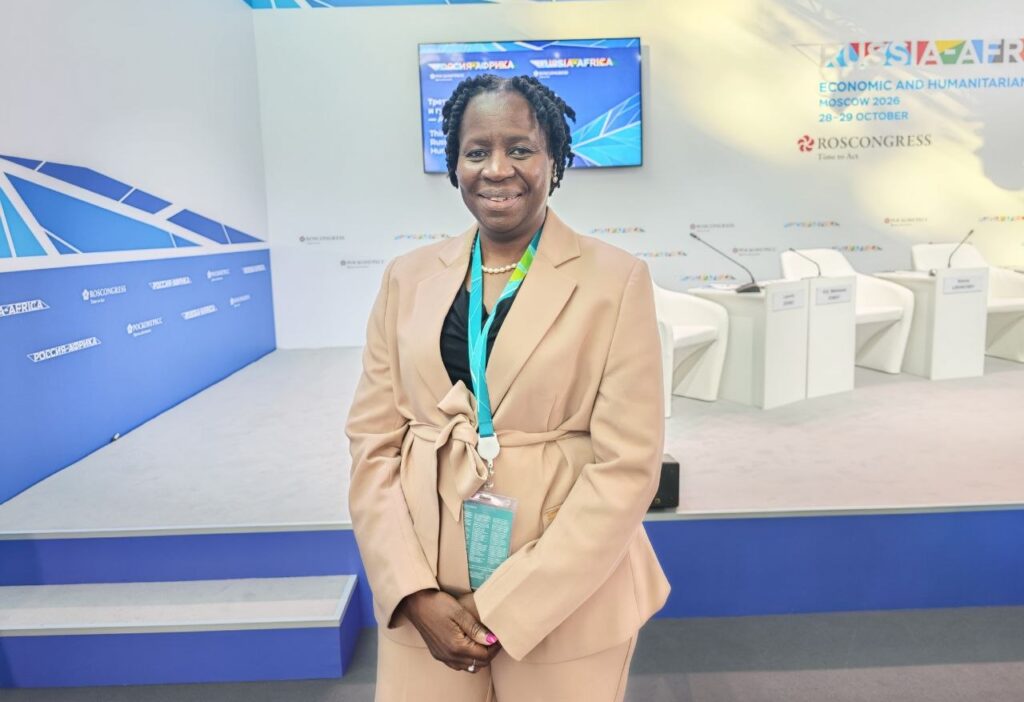
Elsie Mamolatelo of the BRICS Nuclear Energy Platform stressed the need to develop local expertise alongside energy infrastructure. She discussed Russia–Africa cooperation in nuclear energy and technical education. She highlighted Rosatom’s training programmes for African students and professionals. She also pointed to cooperation around projects such as Egypt’s El Dabaa nuclear power plant. She called for sustained educational and technical partnerships, observing:
Her remarks point to a critical dimension of energy sovereignty. African countries must not only acquire energy infrastructure. They must also develop the scientists, engineers, technicians and institutions that can manage, maintain and advance these systems. She also identified opportunities for cooperation in water, sanitation and mining. This shows how technical partnerships can aid development beyond energy. Knowledge transfer is vital to avoid dependence on external expertise to maintain essential infrastructure.
The challenge is to ensure that international energy partnerships build domestic capabilities and support Africa’s industrial transformation. Investment in power generation, including renewable and nuclear energy where they fit national priorities, must come with skills development, research, technology transfer and stronger African institutions. Cooperation with Russia and other partners can offer opportunities. African countries, however, must negotiate arrangements that build local expertise, support domestic industries and expand their capacity to set development priorities. The test of energy cooperation lies not only in the infrastructure it builds or the investment it secures. It lies also in the knowledge it transfers, the employment it creates and the productive capacity it develops within African economies. Energy must not become another sector where Africa depends on external suppliers and stays excluded from higher-value technological activities. It must become a foundation for industrialisation, economic self-determination and improved material conditions for African people.
Author: AMANDA LUCAS