
Equatorial Guinea Targets Global Investment
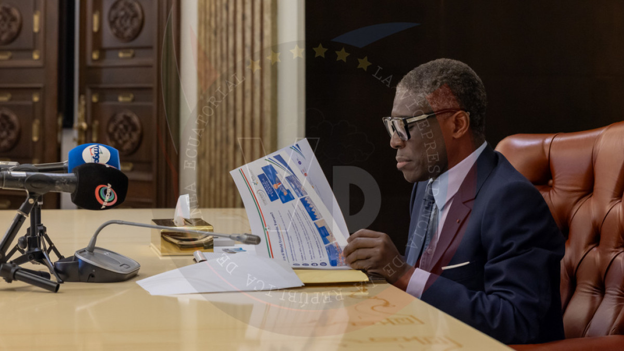
Equatorial Guinea is preparing a new international positioning strategy aimed at using the World Economic Forum in Davos to attract investment, promote economic opportunities and strengthen the country’s profile within Central Africa. Vice President Nguema Obiang Mangue held a working meeting in Malabo with government officials and international communication and marketing experts to assess how the country can build on its participation in major international economic forums. According to the Information and Press Office of Equatorial Guinea, the initiative follows the results of the country’s participation in the World Economic Forum’s 56th Annual Meeting in Davos in January 2026, where 13 foreign companies reportedly expressed interest in exploring cooperation opportunities with Equatorial Guinea. Eleven companies held direct meetings with the delegation, with six subsequently confirming their intention to visit the country. The government now wants to develop a more structured presence at future editions of the forum, viewing international economic platforms as opportunities to connect Equatorial Guinea with potential investors, businesses and development partners.
The proposed strategy is designed to present Equatorial Guinea’s economic potential, strategic location in Central Africa, infrastructure and investment opportunities while positioning the country as a potential business hub within the CEMAC subregion. The government says its objective is not simply to improve the country’s international image but to convert contacts established abroad into concrete visits, negotiations, investment projects, economic activity and employment. The Equatorial Guinea government’s institutional information platform says the proposed communication strategy will be supported by substantive information about opportunities and conditions for doing business, with the intention of giving potential partners a clearer understanding of the national market. This approach reflects an important dimension of economic development in Africa: the effort by individual states to use international platforms to attract capital while seeking to direct that capital towards productive activities, infrastructure, businesses and employment. For Equatorial Guinea, the initiative also represents an attempt to strengthen its economic links with the wider CEMAC market and make its geographical position and existing infrastructure more attractive to investors.
The Davos strategy forms part of a wider effort by Equatorial Guinea to increase its international economic engagement and identify new avenues for investment and cooperation. The government has indicated that the lessons from its previous participation in Davos will inform its future approach, particularly the need to ensure that international exposure produces measurable results at home. This emphasis on transforming diplomatic and economic engagement into investment and productive activity is relevant to broader discussions about African economic agency, diversification and regional economic integration. It also highlights the importance of African countries developing their own strategies for engaging global investors and institutions while attempting to ensure that foreign partnerships contribute to domestic economic priorities. Equatorial Guinea’s planned approach therefore places international investment within a broader development objective: attracting companies capable of establishing projects, generating employment and expanding economic activity while strengthening the country’s position as a potential commercial hub in Central Africa.





