Fidel Castro and the Praxis of Popular Education
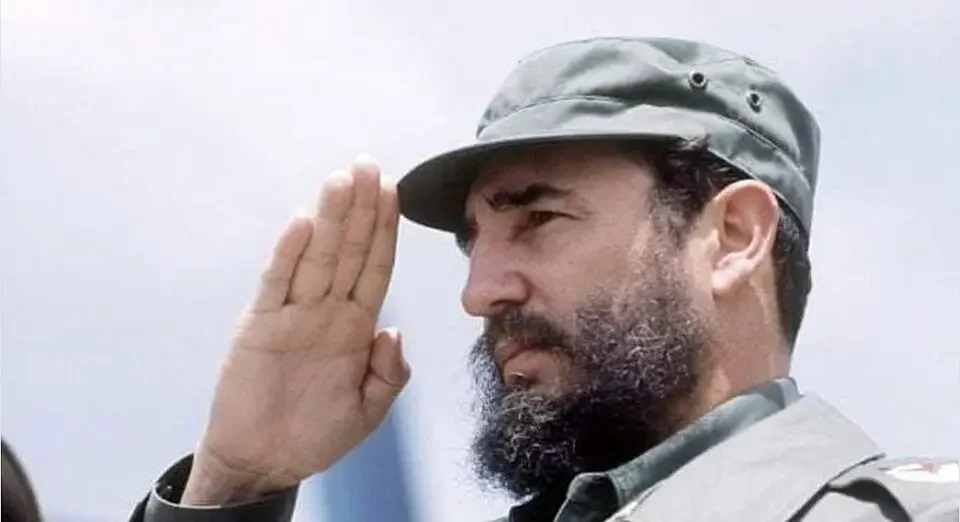
As discussions mark the centennial of Cuban leader Fidel Castro on August 13, 2026, educators and intellectuals are re-examining his approach to social change and popular education. In an interview covered by Brasil de Fato on Fidel Castro being a disciple of the Paulo Freire method, Brazilian writer, educator, and long-time friend Maria Valéria Rezende observed that Castro operated as a “disciple of Paulo Freire’s method without even knowing it.” Introduced through theologian Frei Betto, Rezende spent extensive periods in Cuba between 1985 and 2001 to help adapt Freirean pedagogy for political and mass training schools across the island. She noted that during their late-night dialogues, Fidel intuitively mirrored Freire’s Pedagogy of the Oppressed through an insatiable curiosity, active listening, and horizontal dialogue rather than delivering top-down mandates.
While Cuba had already eliminated illiteracy through its landmark 1961 campaign using traditional scholastic methods, Castro sought to evolve the nation’s political education toward a genuinely liberatory framework. As detailed in historical analysis by Dever de Classe on the 100 years of Fidel Castro, these early educational and social campaigns established Cuba as a global reference point in popular education, healthcare, and international cooperation despite the economic embargo imposed by the United States. Rezende emphasized that Fidel stood out for his disposition to ask questions and learn from working-class realities, an approach that aligns directly with Freire’s philosophy, which posits that true emancipation occurs when leaders and communities co-create critical consciousness through problem-posing dialogue.
This synthesis of Freirean pedagogy and Cuban mass education left a lasting mark on social movements globally. The integration of participatory methods into Cuban educational institutions later informed international literacy programs like Yo, sí puedo (“Yes, I Can”), which brought adult literacy initiatives to millions across the Global South. Reaffirming his centennial legacy on the international stage, regional declarations—including the statement by Pan-Africanism Today on FIDEL AT 100: THE PEOPLE OF AFRICA CONTINUE TO STAND WITH THE PEOPLE OF CUBA! and formal union resolutions such as the press release by NUMSA on NUMSA Stands in Solidarity with Socialist Cuba on the Centenary of Commander Fidel Castro—emphasize that Fidel’s educational and anti-imperialist initiatives demonstrated how popular literacy serves not merely as a technical skill, but as a fundamental tool for political consciousness and collective self-determination.