
From Silent Park to Living Economy: How Mozambique’s Conservation Model Is Rewriting the Rules of African Eco-Cooperation
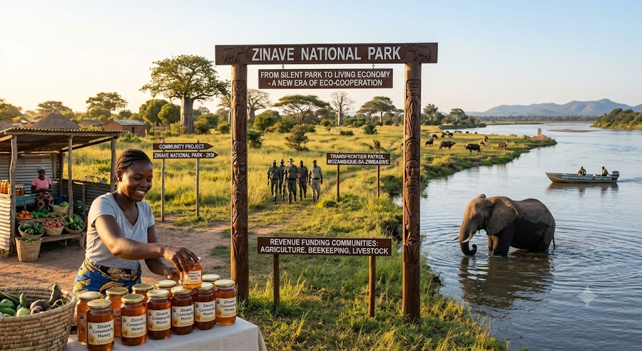
A decade of sustained investment in Zinave National Park is delivering results that challenge a long-held assumption about conservation in Africa: that protecting nature and improving livelihoods are competing priorities that must be traded against each other. In partnership with the Mozambican government, the Peace Parks Foundation has overseen the reintroduction of more than 2,400 animals across 16 species since 2015 — including elephants, buffalo, and predators such as leopards — with nearly 10,000 animals now present in a park that was effectively empty a generation ago. Anti-poaching infrastructure has been strengthened, wildlife corridors rebuilt, and the ecological connections that make the Greater Limpopo Transfrontier Conservation Area across Mozambique, South Africa, and Zimbabwe function as a genuine shared ecosystem have been progressively restored. For a country whose conservation sector was devastated by civil conflict, the transformation represents a profound institutional and ecological achievement.
What makes the Zinave model particularly significant is its deliberate integration of ecological restoration with community economic development. Twenty percent of park revenues are directed to surrounding communities, while agricultural, livestock, and beekeeping initiatives tied to the conservation programme now support over 3,000 local residents. This architecture of shared benefit is not incidental — it is the mechanism that makes long-term conservation viable. Poaching and habitat destruction are rarely driven by indifference to nature; they are driven by poverty and the absence of alternatives. By ensuring that communities adjacent to protected areas capture tangible economic benefits from conservation, the programme converts potential adversaries into stakeholders — and stakeholders into the most effective long-term guardians of the ecosystems on which their livelihoods depend.
The broader significance of the Zinave model reaches into the heart of debates about what African-led development actually looks like in the environmental domain. Too often, conservation in Africa has been designed, financed, and governed by external actors with limited accountability to the communities most directly affected — producing ecological gains purchased at the cost of displacement, exclusion, and resentment. The transfrontier model being developed across the Great Limpopo area offers an alternative vision: conservation as a form of regional integration, in which shared ecosystems become foundations for shared prosperity rather than sites of contestation over who benefits and who bears costs. As climate change intensifies pressure on biodiversity across the continent, this model — imperfect but demonstrably functional — may offer one of the clearest examples available of what it looks like when African states cooperate to govern their natural heritage in a way that works for both the land and the people who live on it.





