
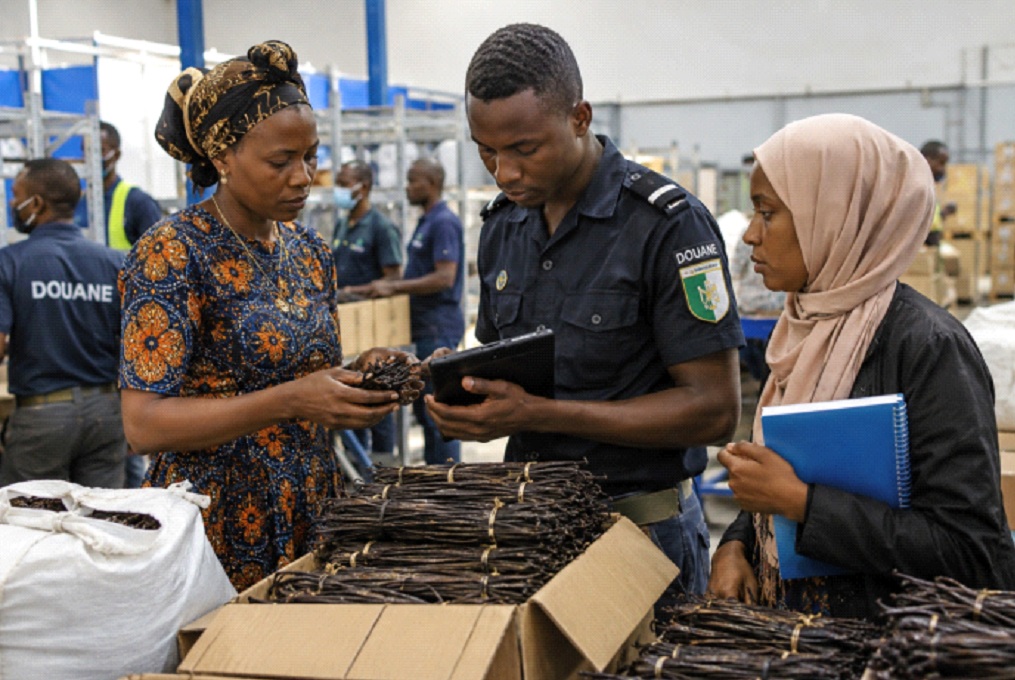
From the Margins to the Marketplace: Comoros Builds the Institutions of Economic Self-Determination
As Africa advances the implementation of the African Continental Free Trade Area, the challenge facing many smaller economies is no longer whether they can access markets, but whether they possess the institutional capacity to compete effectively within them. Comoros’ participation in a World Customs Organization-supported programme to establish a national pool of rules of origin experts represents an important step in addressing that challenge. While rules of origin may appear highly technical, they play a decisive role in determining which products qualify for preferential treatment under regional trade agreements — and countries without domestic expertise in administering them consistently find themselves unable to translate formal market access into actual trade gains, watching opportunities expire through administrative incapacity rather than lack of ambition.
The initiative highlights a broader reality often overlooked in discussions about development and trade: economic transformation depends not only on infrastructure, investment, or market access, but also on the strength of institutions responsible for implementing policy. For many smaller states, limited technical capacity can become a hidden barrier to economic participation, preventing businesses from fully utilising available trade opportunities. The creation of a national pool of rules of origin specialists represents a form of structural reform designed to build long-term state capability — equipping customs officials and trade professionals with specialised knowledge that directly translates into competitive advantage for local producers.
From a regional integration and economic sovereignty perspective, the significance extends beyond customs administration. The AfCFTA’s success ultimately depends on the ability of African countries to develop the expertise necessary to manage increasingly sophisticated trade systems without excessive reliance on external actors. For Comoros, building this capacity is part of a wider effort to move from the margins of continental commerce toward a more active role in shaping its economic future. Strengthening institutions may be just as important as opening markets — and Comoros’ investment in trade expertise is also an investment in greater economic autonomy, resilience, and the kind of self-determination that endures long after any single trade agreement has been signed.


