Fuego Volcano Activity Declines, Risks Remain
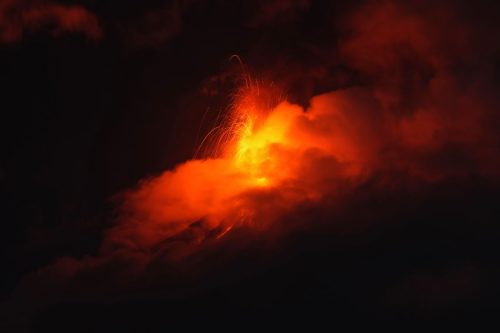
Activity from Guatemala’s Fuego volcano has begun to decrease after several days of intense eruptions that forced thousands of residents to leave their homes, but disaster officials warned that the emergency situation remains active. The volcano, one of Central America’s most active, produced ash emissions, lava activity, and hazardous volcanic materials that led Guatemala’s National Coordinator for Disaster Reduction (CONRED) to organize preventive evacuations in communities located on the volcano’s slopes. Around 1,700 people from at least 18 communities were evacuated as authorities worked to reduce the risk of casualties.
Although volcanic activity showed signs of weakening, experts and emergency officials cautioned that secondary hazards could continue after the main eruptive phase. Heavy rainfall associated with weather systems moving through the region could generate lahars — fast-moving flows of volcanic debris, ash, and water that can travel through valleys and river channels. CONRED urged residents to continue following evacuation instructions and remain alert because reduced lava and ash activity does not necessarily mean the danger has ended.
The situation has revived memories of Guatemala’s devastating 2018 Fuego eruption, which caused major loss of life and widespread destruction in nearby communities. Authorities have emphasized that improved monitoring systems and faster evacuation procedures are essential to protecting populations living near active volcanoes. As residents begin returning home, officials continue to focus on environmental monitoring, road safety, water protection, and long-term recovery measures to ensure communities are not exposed to additional risks from the volcano’s aftermath.