Ghana and Morocco Forge a New Chapter in African Cooperation Through Historic 11-Agreement Partnership
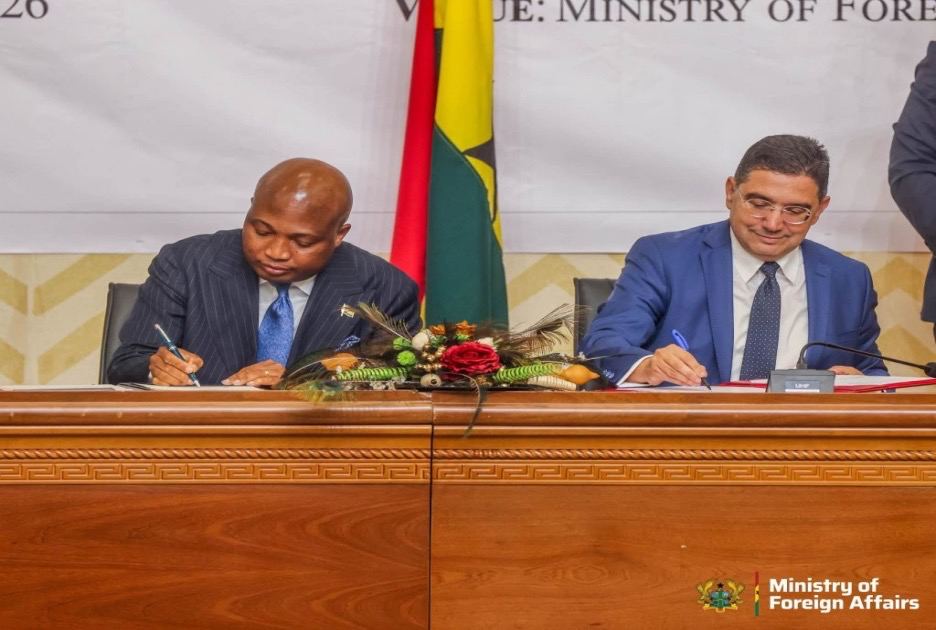
Ghana and Morocco are taking a major step toward deeper African integration after the two countries signed eleven cooperation agreements aimed at expanding collaboration across aviation, trade, education, energy, scientific research, diplomacy, customs, mining, sports, and institutional development. The agreements were concluded during the Second Session of the Ghana–Morocco Permanent Joint Commission for Cooperation (PJCC) held in Accra, following technical discussions previously held in Rabat. The development, reported by the Information Services Department (ISD) Ghana and the Ghana News Agency (GNA), reflects renewed efforts by both nations to transform decades of diplomatic friendship into practical partnerships that support economic growth and continental self-reliance.
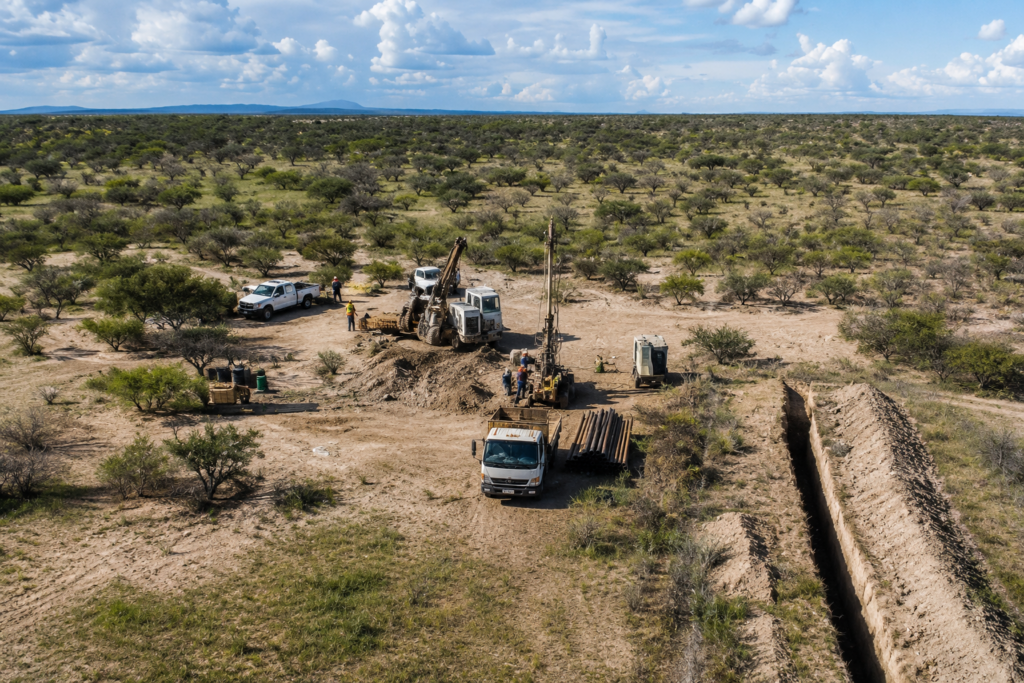
The agreements represent a broad expansion of Ghana–Morocco relations, with both governments targeting areas critical to Africa’s development ambitions. Among the signed instruments are agreements on air services, mutual customs assistance, higher education and scientific cooperation, meteorology, vocational training, scholarships, diplomatic capacity building, sports, archives, and cooperation in the extractive sector involving Morocco’s National Office of Hydrocarbons and Mines (ONHYM), Ghana’s Minerals Commission, and the Ghana Geological Survey Authority. According to the Ministry of Foreign Affairs of Ghana statement, the partnership is designed not only to strengthen bilateral relations but also to contribute to Africa’s wider agenda of economic transformation, knowledge exchange, and collective advancement.
Beyond the individual agreements, the Ghana–Morocco partnership highlights a growing push for stronger intra-African cooperation and African-led development solutions. Ghana, as host of the African Continental Free Trade Area (AfCFTA) Secretariat, continues to position itself as a hub for continental trade and investment partnerships, while Morocco has expanded its role as a key economic and industrial partner across Africa. Future areas of cooperation are expected to include renewable energy, pharmaceutical manufacturing, infrastructure development, and technology transfer, creating opportunities for both countries to leverage their strengths for broader regional impact. As both nations move toward implementing the agreements reached under the Second PJCC, the partnership could become a model for how African states can convert diplomatic relations into concrete economic and development outcomes.