
Ghana Pushes for Slavery Reparations Beyond Apologies, Calls for Debt and Global Economic Reforms
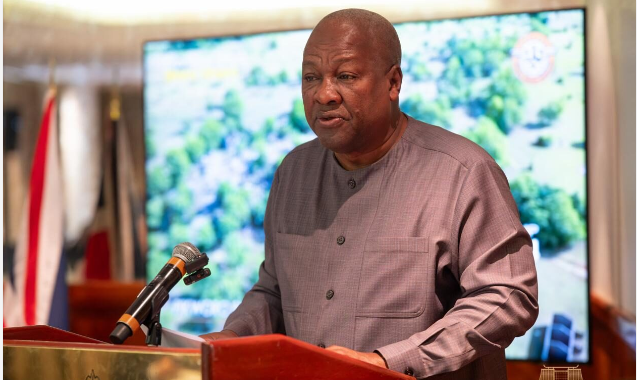
Ghana is stepping up its campaign for reparatory justice. The country wants more than formal apologies for the transatlantic slave trade. It also wants action to address economic inequality and unfair financial systems. On 3 November 2026, Ecofin Agency reported that Ghana wants debt reform included in global talks on reparations. President John Dramani Mahama is leading this campaign as the African Union (AU) Champion on Reparations. He wants African countries and the wider Global South to gain fairer economic opportunities. Meanwhile, Ghana continues to push for international recognition of the lasting harm caused by slavery and racial discrimination.
On 2 November, the Ghana News Agency (GNA) reported that Mahama welcomed the United Kingdom’s openness to a formal apology and further talks on the slave trade. Earlier, Citi Newsroom reported on the President’s five priorities for reparatory justice. These include formal apologies, action against racism and investment in education and healthcare. He also wants the return of stolen African cultural objects. In addition, he supports development partnerships that address poverty and unfair debt systems. These priorities will guide talks between the African Union, CARICOM, African diaspora groups and countries linked to the transatlantic slave trade.
Meanwhile, Graphic Online reported on November 1 that Mahama had called for structured international dialogue, stressing that acknowledging historical atrocities must lead to meaningful action. Ghana’s position also draws on the Accra Next Steps Commitments, CARICOM’s Ten Point Plan and the African Union’s declarations on reparatory justice. By placing debt arrangements, cultural restitution, development financing and racial equality within the same conversation, Ghana is seeking a broader understanding of what reparations should achieve. The challenge now is translating international recognition and diplomatic commitments into concrete measures that address the lasting consequences of slavery and colonialism.





