Lake Kariba Ferry Disaster Highlights Zimbabwe’s Rural Transport Challenge
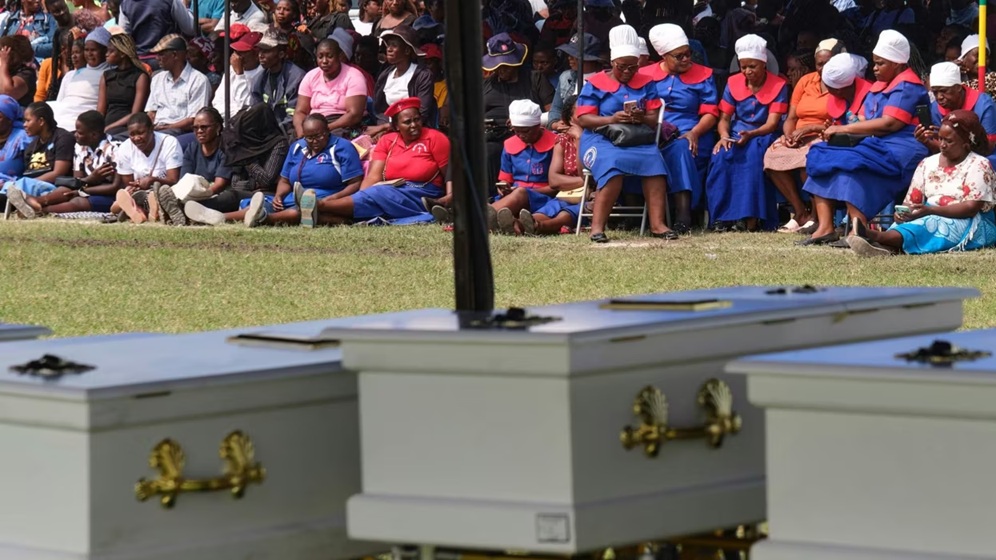
Zimbabwe’s Lake Kariba ferry disaster has highlighted the importance of safe and reliable transport infrastructure for communities whose livelihoods and access to essential services depend on the lake. According to Africanews, the death toll from the ferry accident reached 46, after the government-operated vessel capsized in rough waters. The ferry had an authorised capacity of 90 people, while registered figures indicated 114 adults and five crew members were aboard, with the number of children still unclear. Survivors described passengers urging the captain to turn back as water entered the vessel and recounting difficulties accessing and using life jackets during the emergency.
The tragedy has brought renewed attention to the transport challenges facing communities around Lake Kariba. The ferry provided an important connection between Kariba town, islands, fishing communities and rural settlements, allowing residents and traders to reach markets and essential services in an area where road connections can be limited or damaged. President Emmerson Mnangagwa declared a state of disaster and ordered the mobilisation of resources for affected families. Authorities were also directed to identify a replacement passenger ferry and urgently repair the road linking Kariba with surrounding communities, measures intended to restore vital connectivity while the recovery operation continues.
The disaster nevertheless demonstrates that connectivity cannot be separated from safety and infrastructure quality. A functioning transport link is essential to remote communities, but it must also operate within enforced passenger limits, adequate maintenance standards and effective emergency procedures. The reported overloading, difficulties surrounding life-jacket use and the scale of the loss of life underline the importance of strengthening maritime oversight and rescue capacity alongside investment in replacement vessels and roads. For Zimbabwe, rebuilding connectivity around Lake Kariba should therefore be accompanied by measures that make public transport safer and more resilient. The longer-term objective should be infrastructure that not only connects rural communities to markets and services, but does so reliably and with the protection of human life at its centre.