
Lesotho Moves from Regional Scrutiny to SADC Security Leadership
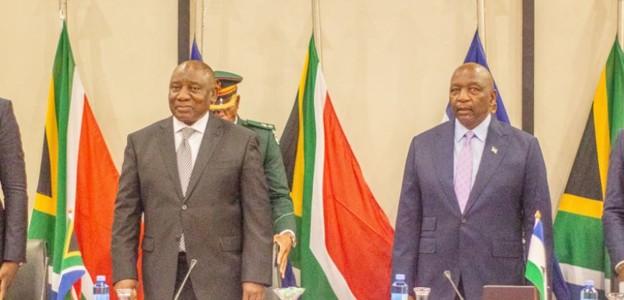
Lesotho has taken a major step in regional affairs. Prime Minister Ntsokoane Samuel Matekane will lead the Southern African Development Community’s (SADC) Organ on Politics, Defence and Security Cooperation as its incoming chairperson. SADC leaders made the decision during a virtual summit on 21 October 2026. South African President Cyril Ramaphosa chaired the meeting. The appointment ended a dispute between Lesotho and Angola that had delayed the choice. Matekane joins Eswatini’s King Mswati III, the current chair, and Malawi’s President Arthur Peter Mutharika, the outgoing chair. The Organ helps SADC members work together on peace, political stability and security. As SADC announced, Lesotho will now help guide these regional efforts. This marks a major change for a country that once needed SADC’s help to address its own political crises.
Lesotho’s journey to this position has not been easy. In 2014, an attempted coup forced then Prime Minister Thomas Thabane to flee to South Africa. SADC stepped in to help resolve the crisis. In 2015, former army commander Maaparankoe Mahao was killed by fellow soldiers. These events added to calls for reforms to strengthen public institutions and improve political stability. In August 2025, SADC removed Lesotho from its security agenda after noting progress. Leaders welcomed the passage of the Tenth Constitutional Amendment as an important step in the reform process. However, the work remains unfinished. Newsday reported that opposition parties and civil society groups still have concerns about the reforms. Lesotho has made progress, but it must show that the changes can deliver lasting stability and accountable government.
Now, Lesotho faces a new test. It must help address security problems across Southern Africa while continuing reforms at home. Fighting in eastern Democratic Republic of the Congo, insecurity in northern Mozambique and political tensions elsewhere all call for regional cooperation. SADC’s security Organ supports dialogue, mediation and joint efforts to prevent conflict. Lesotho’s own experience may help it understand the challenges other countries face. However, effective leadership will also depend on trust in its institutions and its commitment to peaceful solutions. The appointment shows how African countries can share responsibility for regional peace and security. Yet the real measure of success will be results, not the title alone. Lesotho must now turn its political progress into stronger regional cooperation while completing the reforms that helped restore confidence in its future.





