
Libya Leads Arab-OIC Push for Palestinian Rights at the United Nations
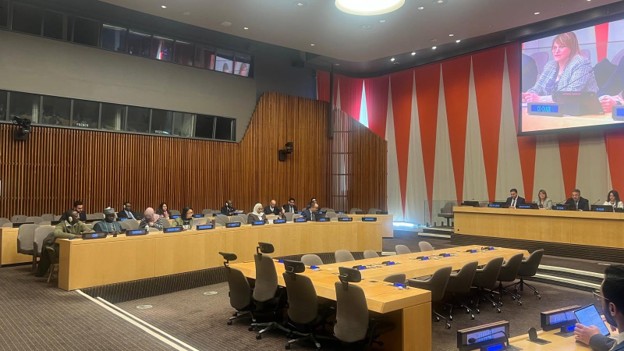
Libya is coordinating efforts to build international support for Palestine at the United Nations. On 28 October, it chaired a joint meeting of the Arab Group and the Organisation of Islamic Cooperation (OIC) Group. The meeting focused on draft resolutions for the UN General Assembly’s 81st session. The Libyan News Agency (LANA) reported the development. Other outlets, including Libya 24 and Al Mada News, also covered the meeting. Libya chaired the Arab Group through its October presidency. Its representative, Issam Mohammed Al-Qaffah, led the meeting alongside Turkish representatives of the OIC Group. Palestinian diplomat Majed Bamya briefed delegates on the proposed resolutions. The meeting shows how countries can work together to keep Palestinian rights on the global agenda.
The proposed resolutions address three major concerns. The first seeks to support the United Nations Relief and Works Agency for Palestine Refugees in the Near East (UNRWA). The agency faces efforts to halt its work, alongside attacks on its facilities and staff. Another draft concerns Palestinian refugees’ rights to their property and the income it generates. A third addresses Israeli settlements, including the proposed E1 project, which threatens to separate Jerusalem from its surroundings. These issues also raise questions of international law. In its 19 July 2024 advisory opinion, the International Court of Justice examined the legal consequences of Israel’s policies and practices in the occupied Palestinian territory. The debate therefore reaches beyond diplomacy. It concerns refugees, humanitarian aid and the future of Palestinian land.
For Africa and the wider Global South, Libya’s role raises an important question: how can countries turn solidarity into practical results? Joint diplomatic efforts can help build support for resolutions. However, the meeting does not mean that the UN General Assembly has adopted them. That will depend on the decisions and votes that follow. The United Nations General Assembly provides a forum where member states can debate these issues and press for action. Libya’s initiative forms part of a wider effort to defend Palestinian rights through international cooperation. African countries and their partners can use such platforms to support humanitarian work, protect refugee rights and uphold international law. The challenge is to turn statements of support into sustained action towards a just resolution of the Palestinian question.





