
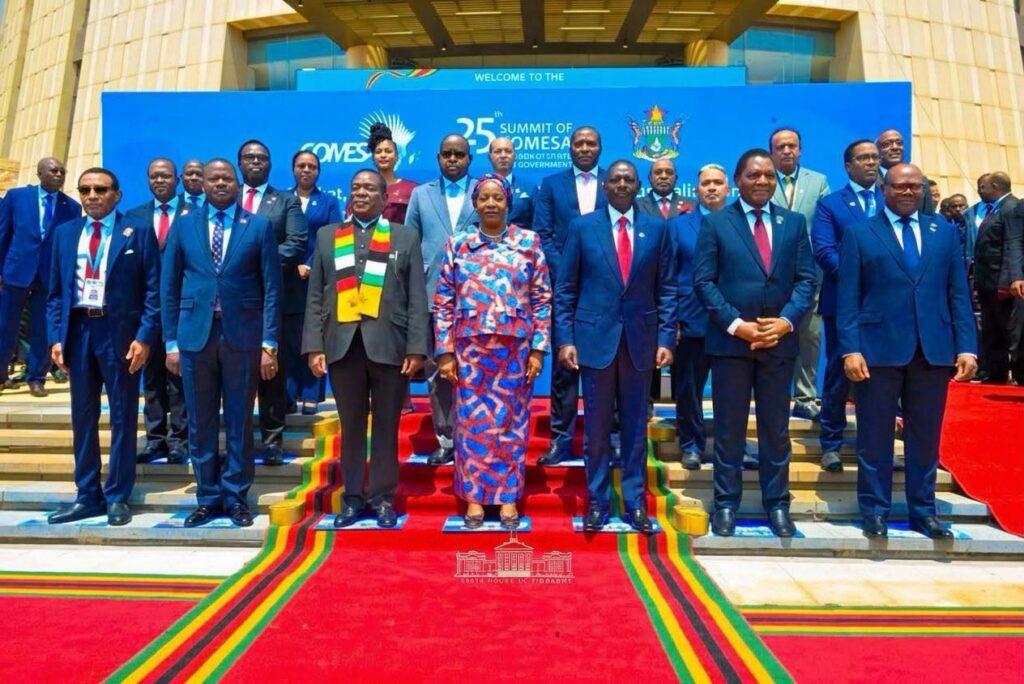
Madagascar Calls for Removal of Regional Trade Barriers at COMESA Summit in Harare
Madagascar made a clear economic case for the removal of non-tariff barriers that hinder regional commerce at the 25th COMESA Summit of Heads of State and Government in Harare, Zimbabwe. Representing the President of the Refoundation of the Republic, Colonel Michaël Randrianirina, Foreign Minister Alice N’Diaye raised the issue with leaders of the Common Market for Eastern and Southern Africa on 22 October 2026. She pointed to complex regulatory hurdles that prevent island businesses from reaching wider African markets. According to Newsmada, Malagasy officials stressed that the country’s island location, high maritime transport costs and administrative delays place heavy pressure on local small and medium-sized enterprises and limit their ability to compete inside the 680-million-person trading bloc.
The island nation’s position matches wider regional calls to cut trade obstacles and ease the movement of goods across southern and eastern Africa. At the opening of the COMESA Business Forum, Zimbabwean President Emmerson Mnangagwa also urged member states to remove protective tariffs and administrative friction so private-sector investment can grow and industrial value chains can strengthen. Official updates from the Ministère des Affaires Étrangères de Madagascar note that the new 2026–2030 Medium-Term Strategic Plan will be key to expanding infrastructure links, modernising customs systems and building regional supply networks that keep more economic value inside African markets.
After the main summit sessions, the Malagasy delegation joined other foreign ministers on 21 October to discuss structural challenges that hit island economies especially hard. Talks focused on keeping maritime routes secure, controlling rising freight costs, improving regional energy supplies and managing climate risks that affect coastal states. Madagascar argued that coordinated regional policies are needed to protect trade routes, expand export capacity and speed up practical economic integration across the continent. The message from Harare is straightforward: African markets will only deliver real benefits when governments turn summit commitments into simpler rules, lower costs and better connections for businesses of every size.





