Mali Partners with Russia to Map Mineral Resources and Strengthen Mining Oversight
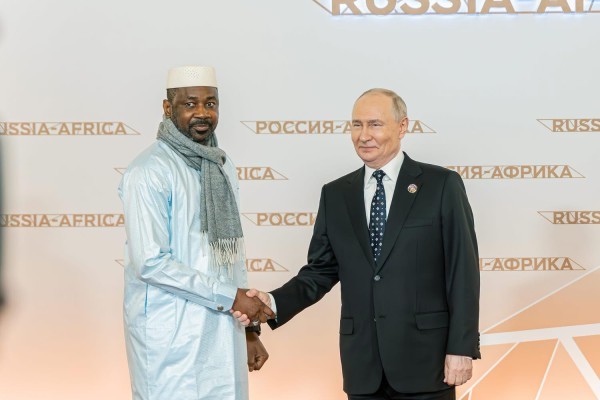
Mali has signed two agreements with Russia’s state-owned geological company to improve knowledge of its mineral resources. The deals also aim to strengthen control over the mining sector. Mali’s Ministry of Mines and Zarubezhgeologia signed the agreements on 28 October 2026, during the Russia–Africa Summit in Moscow. Malian newspaper L’Essor reports that one deal covers geological mapping in two priority areas. The other will establish a digital system for geological data and mining activities. Russia’s Rosgeologiya says the mapping project will cover more than half of Mali’s territory. The initiative could help Mali identify mineral deposits beyond gold, including lithium. It also reflects the government’s stated commitment to sovereignty, transparency and fair partnerships in mining.
The agreements go beyond mapping mineral deposits. The proposed digital system will help Malian authorities manage geological data, mining licences and regulatory oversight. This information could improve decisions about exploration and help officials monitor mining activities. The digital system project will take eight months. The agreements also provide for training staff of Mali’s National Directorate of Geology and Mines to interpret satellite images. Rosgeologiya’s announcement also highlights training for Malian specialists. This step matters because Mali needs local experts who can use geological data and support national decision-making. The government has also outlined wider reforms to strengthen state oversight and Malian participation in the mining sector. However, the agreements do not mean new mines have opened or that public revenue has already increased. Their success will depend on implementation and how well Mali uses the new information.
For Mali and other African countries, access to reliable geological information is an important part of economic sovereignty. A country must know what lies beneath its land to make informed decisions about mining and licensing. Mali’s growing cooperation with Russia also reflects its effort to diversify international partnerships and strengthen control over strategic sectors. At the summit, Mines Minister Amadou Keïta discussed reforms to reinforce state oversight while protecting investors, according to the Global Energy Association’s report. Still, foreign partnerships alone cannot guarantee that mineral wealth will improve people’s lives. Mali needs transparent licensing, fair contracts and effective public oversight. It must also build local expertise and ensure that communities affected by mining share in the benefits. The agreements offer an opportunity to improve how the country understands and manages its mineral wealth. The real test is whether Mali can turn that knowledge into greater public benefits and long-term economic development.
Author: Randy Lawson.