
Nigeria Challenges Africa to Keep More of Its Mineral Wealth at Home
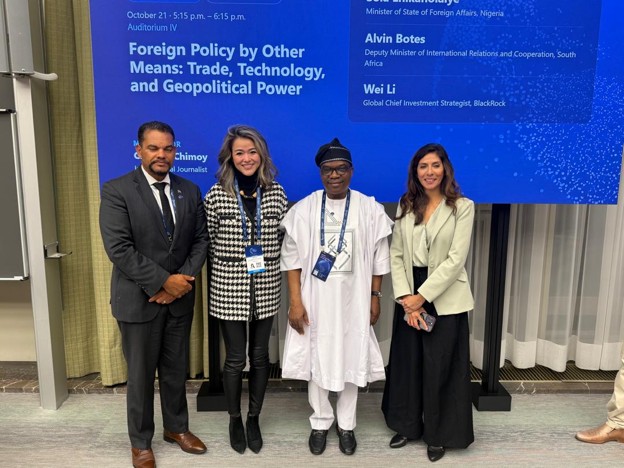
Nigeria is calling for African countries to take greater control of their natural resources and economic future. At the Berlin Global Dialogue 2026 in Germany, Minister of State for Foreign Affairs Sola Enikanolaiye urged investors to process raw materials within Africa. He also said foreign investment should support local resources, not replace them. Nigeria’s Ministry of Foreign Affairs and The Lantern News reported the minister’s position on economic sovereignty, investment and development. His message raises an important question: how much value does Africa keep from the resources it exports? Many countries sell raw minerals but import finished goods made from them. As a result, they miss chances to create jobs, grow local businesses and develop industrial skills. Nigeria’s proposal challenges African governments to look beyond attracting investors. They must also ask what those investments will produce and who will benefit.
Mining can bring export earnings, but extraction alone cannot deliver broad industrial growth. Processing minerals locally can create jobs, support factories and develop technical skills. It can also encourage investment in electricity, transport and other essential services. However, African countries need reliable power, skilled workers and affordable finance to build these industries. Enikanolaiye highlighted these needs as part of Nigeria’s call for stronger African production. The Miners also reported on Nigeria’s push for local mineral processing. Governments must now turn these proposals into practical policies. They need clear investment rules, stronger environmental protection and agreements that benefit mining communities. African countries should also work together instead of competing by offering investors increasingly favourable terms. The African Continental Free Trade Area (AfCFTA) offers a framework for expanding trade and creating larger markets for African-made products. With stronger regional links, local industries could reach more customers and become more competitive.
Nigeria has also called for stronger domestic investment and better ways to finance African development. The minister highlighted African financial institutions, cross-border payments and international credit-rating reforms. He also pointed to the Pan-African Payment and Settlement System (PAPSS), which supports cross-border payments in African currencies. These efforts matter because political independence alone does not guarantee economic control. Countries also need the money, skills and industries to make their own development choices. Still, speeches and new partnerships are not enough. African governments must enforce transparent contracts, strengthen public oversight and invest in local skills. They must also ensure that mineral wealth supports wider development and benefits communities. Foreign investment can help, but its value should be measured by the jobs, industries and public benefits it creates. Nigeria’s message in Berlin therefore raises a wider question for the continent: can African countries turn their natural wealth into lasting prosperity? The answer will depend on the policies they adopt and the cooperation they build across Africa.





