Nigeria’s Lithium Leap: Africa’s Largest Economy Bets on Critical Mineral Processing as the Engine of Its Industrial Transformation
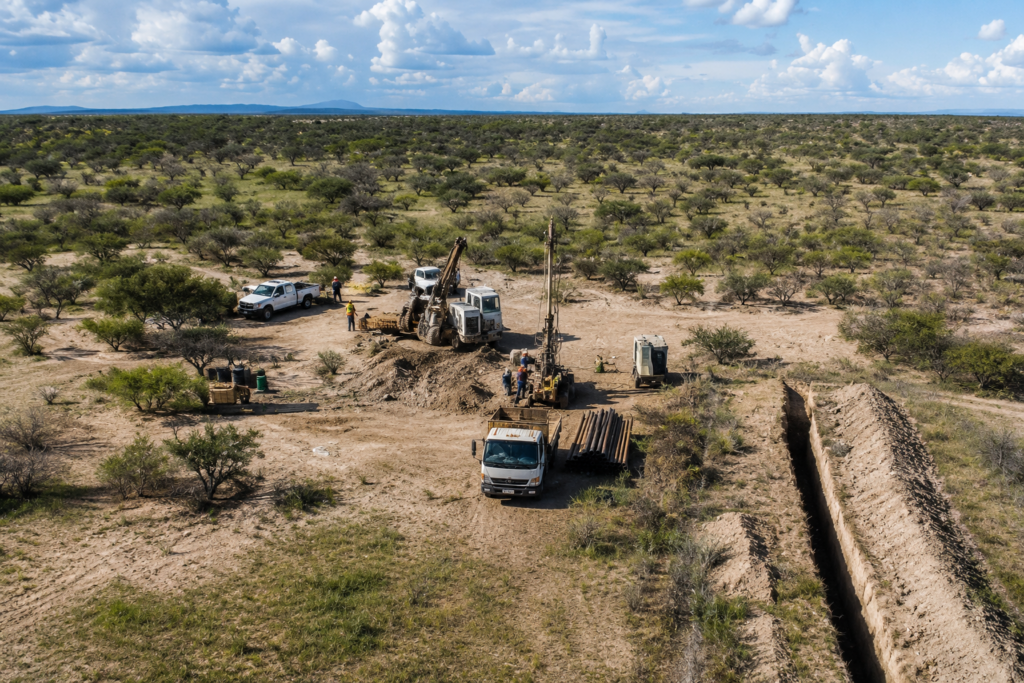
STATE HOUSE NIGERIA – The commissioning of one of Africa’s largest lithium processing plants in Nasarawa State — the Diamond New Energy Projects facility inaugurated by Vice President Kashim Shettima on behalf of President Tinubu — is a mineral economy milestone whose significance is most clearly visible in what it represents about the direction of Nigerian industrial policy rather than in the facility’s specifications alone. Nigeria’s solid minerals sector — encompassing lithium, gold, tin, iron ore, coal, and a range of other resources whose combined endowment is vast but whose contribution to the economy has historically been minimal relative to petroleum — has been identified repeatedly as a diversification pathway whose development requires exactly the kind of processing infrastructure that the Nasarawa plant represents. Vice President Shettima’s articulation of the governing philosophy — that countries achieve sustainable prosperity when they build industries around their resources rather than exporting raw commodities — captures the structural logic that the commissioning operationalises.
The global timing of Nigeria’s lithium processing investment is significant. The energy transition that is reshaping global commodity markets is driving unprecedented demand for the battery minerals — lithium, cobalt, nickel, manganese — that electric vehicles, grid-scale energy storage, and consumer electronics require in quantities whose growth trajectories make early investment in processing capacity strategically valuable in ways that the immediate commercial case alone would not justify. African countries that establish processing infrastructure, skilled workforces, and regulatory frameworks for critical mineral beneficiation before demand peaks are positioned to capture a larger share of the global energy transition value chain than those that remain raw material exporters. Nigeria’s lithium plant is therefore both an immediate industrial investment and a strategic positioning exercise in the global critical minerals economy whose competitive dynamics will shape African resource governance for decades.
The calls from stakeholders at the commissioning ceremony for further expansion into lithium battery manufacturing — moving beyond processing into the full manufacturing of the end products whose demand is driving lithium’s strategic value — articulate the deeper logic of what genuine mineral beneficiation requires: not simply adding one processing step before export but building the full industrial ecosystem that converts raw material into high-value manufactured product within the national economy. This is a longer and more demanding transformation than a single plant commissioning can accomplish; it requires the supply chain development, skills formation, infrastructure investment, and regulatory environment whose accumulation over years creates the industrial ecosystem that sustains battery manufacturing competitively. Nigeria’s Nasarawa plant is the beginning of this journey, not its completion — and its long-term significance will depend on whether the institutional and policy commitments that sustain the journey extend through the administrations and economic cycles that will follow the commissioning ceremony.